Financing all Credit Types - 
Financing all Credit Types -
Financing all Credit Types -
Financing all Credit Types -
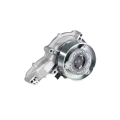
The oil pump is the heart of your engine’s lubrication system. Every time your engine runs, the oil pump pushes oil under pressure to critical components like crankshaft bearings, camshafts, lifters, and pistons. That thin film of oil is the only thing preventing metal parts from grinding against each other.
When the oil pump works properly, you never think about it.
When it doesn’t, engine damage can happen fast,sometimes in minutes.
Many drivers assume oil pump issues are rare. In reality, we see them more often than people think, especially in higher-mileage vehicles, engines with irregular oil changes, or cars that have been driven low on oil even once.
Oil pump problems rarely start with a dramatic breakdown. They usually begin quietly.
Here are the most common oil pump failure symptoms we see in the real world:
This is the biggest red flag. If the oil pressure light comes on, do not ignore it. Unlike a check engine light, oil pressure warnings usually mean immediate risk.
Lack of oil pressure causes valvetrain and bearing noise. Many drivers notice it first at idle or during cold starts.
Oil helps cool engine components. When oil flow drops, temperatures rise quickly — even if the coolant system is fine.
Low oil pressure increases friction, making the engine feel weak or unresponsive.
This usually shows up during an oil change. It means internal wear is already happening.
Technically? Yes.
Practically? You shouldn’t.
Driving with low oil pressure is one of the fastest ways to turn a $700 repair into a $7,000 engine replacement.
We’ve seen engines fail:
within 10 minutes of driving
during highway speeds
while idling in traffic
If the oil pressure light is on, stop driving and shut the engine off.
Average Oil Pump Replacement Cost
Most oil pump replacements cost between $300 and $1,000, depending on:
Vehicle make and model
Engine layout
Labor time required
Cost Breakdown
Oil Pump Part: $100 – $300
Labor: $200 – $700
Labor is the biggest factor because oil pumps are often buried deep in the engine and require removal of the oil pan, timing components, or even subframe parts.
Oil pump replacement costs can vary significantly depending on the vehicle and engine design. Factors that affect pricing include labor requirements, engine accessibility, oil pump location, gasket replacement, and whether additional components must be removed during the repair process.
Vehicles with complex engine layouts often require substantially more labor than vehicles with easily accessible oil pumps.
Is an Oil Pump Easy to Replace?
No - and that’s why it’s rarely a DIY job.
Replacing an oil pump usually involves:
Draining engine oil
Removing the oil pan
Accessing timing components
Replacing seals and gaskets
Refilling and pressure testing
One mistake during installation can cause oil starvation all over again.
Oil pumps don’t usually fail on their own. Something causes it.
Common causes include:
Oil sludge from skipped oil changes
Low oil levels
Contaminated oil
Worn internal pump gears
Overheating
Debris blocking the oil pickup screen
Many oil pump failures are preventable with proper maintenance.
Oil Pump vs Oil Pressure Sensor (Common Misdiagnosis)
Many vehicles show low oil pressure warnings because of a faulty oil pressure sensor, not a bad pump. The problem is - guessing wrong can destroy an engine.
A proper diagnosis includes:
Mechanical oil pressure testing
Electrical sensor verification
Oil condition inspection
At Instant Car Fix, we never replace an oil pump without confirming pressure readings first.
A customer called after their oil pressure light flickered at highway speed. They pulled over immediately.
Diagnosis showed:
Oil pump pressure dropping intermittently
Severe sludge buildup
We replaced the oil pump the same day.
Engine saved. Repair under $1,000.
Another shop told a customer it was “just the oil pressure sensor.”
Our test showed:
Sensor working correctly
Oil pump pressure below spec
Replacing the pump prevented bearing failure that would have totaled the engine.
Driver continued driving for “just a few days” with the oil pressure light on.
Result:
Spun engine bearing
Complete engine replacement required
This is exactly why oil pump issues should never be delayed.
Oil pump replacement typically takes 4 to 8 hours, depending on vehicle design.
Some engines allow easier access. Others require significant disassembly. This is why mobile service with experienced mechanics matters.
At Instant Car Fix, oil pump jobs are handled carefully - because mistakes are costly.
Why customers choose us:
Certified mobile mechanics
On-site oil pressure diagnosis
No guesswork replacements
Upfront pricing
Service at your home or office
We focus on fixing the real problem, not just replacing parts.


Oil pump replacement costs vary depending on the vehicle, engine design, and labor required. Because many oil pumps are located deep within the engine, labor is often the largest portion of the repair cost. A mechanic can provide an accurate estimate after diagnosing the problem.
Most oil pump replacements take between 4 and 8 hours, although some vehicles may require additional time. Labor depends on engine layout and how much disassembly is needed to access the oil pump. Trucks and certain performance engines often require more extensive work.
In most situations, oil pumps are replaced rather than repaired. Since the oil pump is critical to engine lubrication, replacement is usually the safest and most reliable solution. A proper oil pressure test can confirm whether replacement is necessary.
A failed oil pump can cause low oil pressure, increased engine wear, overheating, and severe internal engine damage. If oil pressure drops too low, critical components such as bearings and camshafts may fail quickly. Immediate diagnosis is recommended whenever oil pressure warnings appear.
Yes. Replacing a failing oil pump is significantly less expensive than replacing an engine damaged by oil starvation. Addressing the problem early can help prevent catastrophic engine failure and extend engine life.
Yes. A failing oil pump can reduce oil pressure and prevent critical engine components from receiving proper lubrication. If left untreated, it can lead to bearing failure, excessive engine wear, overheating, and even complete engine failure.
No. Low oil pressure can also be caused by low oil levels, a faulty oil pressure sensor, worn engine bearings, or a clogged oil pickup tube. A proper oil pressure test is the best way to determine the root cause.
No. The oil pressure warning light indicates that your engine may not be receiving adequate lubrication. Continuing to drive can cause severe engine damage within minutes, so the vehicle should be inspected as soon as possible.
The most reliable way to check an oil pump is with a mechanical oil pressure test. Symptoms such as low oil pressure warnings, ticking noises, overheating, or poor engine performance may indicate an oil pump problem, but testing is required to confirm it.
Common symptoms include a low oil pressure warning light, ticking or knocking engine noises, overheating, sluggish performance, and metal shavings found during an oil change. These warning signs should never be ignored because oil starvation can quickly damage the engine.
Get a real Oil pump service from a mobile mechanic near you, no workshop visit needed.
No commitment • See pricing instantly

⭐⭐⭐⭐⭐ 5-Star Review! Outstanding service from start to finish! The mechanic was extremely professional, knowledgeable, courteous, and thorough. He took his time examining my vehicle, demonstrated a strong understanding of his work, and made the entire experience comfortable and stress-free. It's refreshing to encounter someone who takes pride in their profession and genuinely values customer service. His professionalism, attention to detail, and positive attitude really stood out. I highly recommend his services to anyone looking for a dependable, skilled, and trustworthy mechanic. Excellent customer service and an overall five-star experience!


Awesome and quick service. Very professional and great work. He even let me know what else needs to be done to the wheel hub and gave me an estimate on parts and time for labor! Most definitely would recommend!!!

From start to finish the whole process was smooth and easy. The website was easy to navigate and when I called for additional assistance I was helped immediately and there was no pushing me to purchase additional services. The mechanics arrived on time, asked good questions, and worked quickly. Very polite and helpful. I was glad I chose this company.

Excellent service. Mechanic had my car up and running in under 15 minutes. Convient home service. Will use this service again.

Seriously, you should give this man a raise. I know of NO ONE who could do all of this and much more. My trunk is cleaner in addition to my car being saved from destruction.

Prompt service, very helpful in diagnosing whether I had the right parts. Have great advice on when to change the parts again. Would recommend to anyone who needs mechanic support

I needed a vehicle inspection done for a truck I could be there to see for myself. A thorough inspection was done, the mechanic called and talked to after and a report was sent afterward. I would use this company again.

Had Caleb do a pre-purchase inspection on a Jeep I was buying from Missouri, and the guy was great. Really thorough — found stuff I would’ve missed, told me straight what was worth fixing and what wasn’t. No runaround, answered all my questions fast. If you’re buying a used rig, don’t skip this step. I highly recommend.

Instant Car fix saved the day, the tech was knowledgeable and efficient and knew exactly what was needed. Definitely recommend for my BMW F32.

⭐⭐⭐⭐⭐ 5-Star Review! Outstanding service from start to finish! The mechanic was extremely professional, knowledgeable, courteous, and thorough. He took his time examining my vehicle, demonstrated a strong understanding of his work, and made the entire experience comfortable and stress-free. It's refreshing to encounter someone who takes pride in their profession and genuinely values customer service. His professionalism, attention to detail, and positive attitude really stood out. I highly recommend his services to anyone looking for a dependable, skilled, and trustworthy mechanic. Excellent customer service and an overall five-star experience!
Awesome and quick service. Very professional and great work. He even let me know what else needs to be done to the wheel hub and gave me an estimate on parts and time for labor! Most definitely would recommend!!!
From start to finish the whole process was smooth and easy. The website was easy to navigate and when I called for additional assistance I was helped immediately and there was no pushing me to purchase additional services. The mechanics arrived on time, asked good questions, and worked quickly. Very polite and helpful. I was glad I chose this company.
Excellent service. Mechanic had my car up and running in under 15 minutes. Convient home service. Will use this service again.
Seriously, you should give this man a raise. I know of NO ONE who could do all of this and much more. My trunk is cleaner in addition to my car being saved from destruction.
Prompt service, very helpful in diagnosing whether I had the right parts. Have great advice on when to change the parts again. Would recommend to anyone who needs mechanic support
I needed a vehicle inspection done for a truck I could be there to see for myself. A thorough inspection was done, the mechanic called and talked to after and a report was sent afterward. I would use this company again.
Had Caleb do a pre-purchase inspection on a Jeep I was buying from Missouri, and the guy was great. Really thorough — found stuff I would’ve missed, told me straight what was worth fixing and what wasn’t. No runaround, answered all my questions fast. If you’re buying a used rig, don’t skip this step. I highly recommend.
Instant Car fix saved the day, the tech was knowledgeable and efficient and knew exactly what was needed. Definitely recommend for my BMW F32.