Financing all Credit Types - 
Financing all Credit Types -
Financing all Credit Types -
Financing all Credit Types -
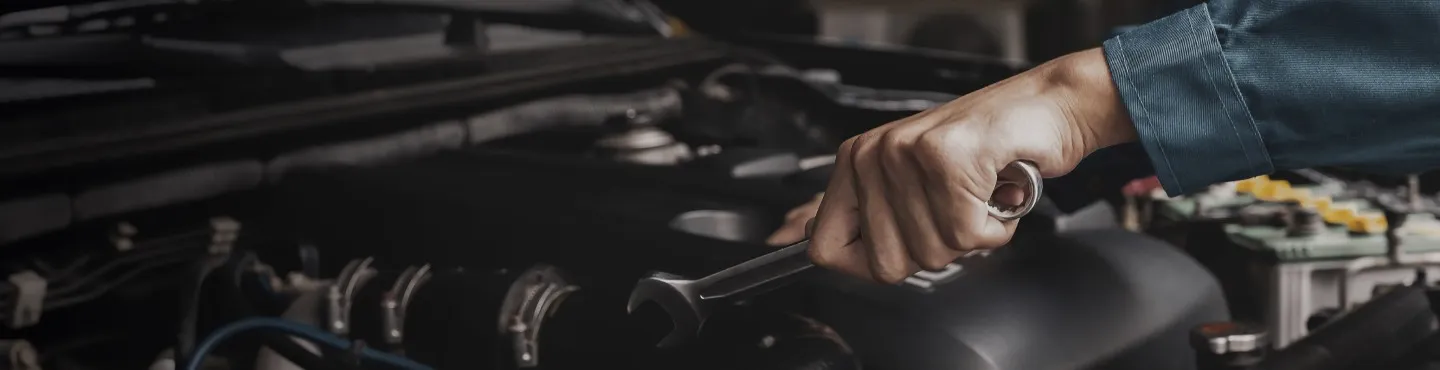
Most drivers never think about the intake manifold gasket, but this small part plays a major role in how your engine performs. The gasket seals the intake manifold to the engine’s cylinder head and ensures that air and coolant stay within their proper passages.
When this seal begins to fail, the engine may start showing several symptoms. Drivers may notice rough idle, coolant leaks, engine misfires, or even overheating. Sometimes the issue starts small but gradually becomes worse as the leak grows.
Because modern engines rely on precise airflow and fuel delivery, even a small intake leak can affect engine performance and fuel efficiency.
In this guide, we’ll explain everything drivers should know about intake manifold gaskets, including:
what an intake manifold gasket does
symptoms of intake manifold gasket failure
causes of intake leaks
intake manifold gasket replacement cost
vehicles that commonly develop this problem
how mechanics diagnose intake leaks
real repair case studies
frequently asked questions
The intake manifold gasket seals the intake manifold to the engine’s cylinder head.
The intake manifold distributes air evenly to each cylinder so the engine can mix air with fuel for combustion. The gasket ensures that this air stays inside the intake system and does not leak out.
Most engines use two main sealing areas:
• Upper intake manifold gasket
• Lower intake manifold gasket
Both help maintain proper engine vacuum and airflow.
Some engines also route coolant through the intake manifold. In these engines, the gasket must seal both air passages and coolant passages.
Without a properly functioning engine intake manifold gasket, the engine may develop vacuum leaks, coolant leaks, or performance issues.
The intake manifold acts as an air distribution system for the engine.
Air enters through the throttle body and flows through the intake manifold runners before reaching each cylinder. Sensors such as the mass airflow sensor and MAP sensor help regulate the air-fuel mixture.
A damaged air intake manifold gasket can allow outside air to enter the system. When this happens, the engine computer struggles to maintain the correct air-fuel ratio.
This often leads to rough idle, hesitation during acceleration, and reduced fuel economy.
A failing intake gasket manifold can cause several noticeable symptoms.
Sometimes the signs appear gradually, while in other cases they show up suddenly.
One of the most common symptoms of a leaking intake manifold gasket is rough or unstable idle.
A vacuum leak caused by a damaged gasket for intake manifold allows extra air to enter the engine, which disrupts the air-fuel mixture.
Drivers may notice the engine shaking or fluctuating while idling.
A leaking engine intake manifold gasket can cause engine misfires.
Misfires occur because the engine receives an incorrect mixture of air and fuel. Drivers may notice hesitation during acceleration or a check engine light.
Some engines circulate coolant through the intake manifold.
If the lower intake manifold gasket fails, coolant may begin leaking from the engine.
Drivers may notice:
coolant smell
coolant puddles near the engine
low coolant levels
If coolant leaks internally due to gasket failure, the engine may start overheating.
Overheating should always be addressed quickly because it can lead to severe engine damage.
A vacuum leak forces the engine computer to compensate by adjusting fuel delivery.
This often results in decreased fuel efficiency.
Yes. A leaking intake manifold gasket can create a vacuum leak that allows unmetered air to enter the engine.
This extra air can cause one or more cylinders to run lean, resulting in engine misfires, rough idle, hesitation, and check engine light codes.
In some cases, intake manifold gasket leaks are initially mistaken for spark plug, ignition coil, or fuel injector problems.
Several factors can cause intake manifold gasket failure over time.
Engines constantly heat up and cool down. Over time, repeated temperature changes weaken gasket materials.
Engines create constant vibration, which gradually stresses seals and gaskets.
Most intake manifold gaskets last 80,000 to 120,000 miles, depending on engine design and driving conditions.
Incorrect torque specifications or missing intake manifold gasket sealant can cause premature gasket failure.
Most intake manifold gaskets last between 80,000 and 150,000 miles depending on engine design, maintenance history, and operating conditions.
Heat cycles, engine vibration, age, and coolant exposure gradually cause gasket materials to deteriorate over time.
Vehicles that experience frequent overheating may require gasket replacement sooner.
One of the most common questions drivers ask is:
How much does it cost to replace an intake manifold gasket?
Typical replacement cost ranges between:
$400 - $900
Parts usually cost:
$40 - $200
Labor makes up most of the cost because technicians must remove the intake manifold and related components to access the gasket.
Some repairs also require additional parts such as:
• intake manifold gasket set
• coolant replacement
• gasket sealant for intake manifold installation
Average Intake Manifold Gasket Replacement Cost by Vehicle
Toyota Corolla: $350-$700
Honda Accord: $400-$800
Ford F-150: $500-$1,200
Chevrolet Silverado: $500-$1,300
BMW 3 Series: $700-$1,800
Most mechanics install a full intake manifold gasket kit rather than replacing only one gasket.
Popular options include:
• Fel Pro intake manifold gasket sets
• Fel-Pro high performance composite intake manifold gasket 1312-3
• Cometic intake manifold gasket seal kits
These kits usually include:
• upper intake manifold gasket
• lower intake manifold gasket
• throttle body gasket
• additional seals
Replacing the complete engine intake manifold gasket set helps prevent future leaks.
Many trucks and SUVs with 5.3 intake manifold gaskets develop vacuum leaks over time.
Common models include:
• Chevrolet Silverado
• GMC Sierra
• Chevrolet Tahoe
Classic engines such as the Chevy 350 intake manifold gasket often require gasket replacement during rebuilds.
High-mileage models such as the 2003 Honda Accord intake manifold gasket can develop vacuum leaks as seals age.
Older vehicles like the 2007 Toyota Corolla intake manifold gasket sometimes experience gasket wear due to heat cycles.
Certain BMW engines, including those found in the E39, may develop intake manifold gasket leaks over time.
Yes. Many engines route coolant through the intake manifold, and a failed gasket can allow coolant to leak externally or internally.
Drivers may notice coolant loss, a sweet smell, overheating, low coolant levels, or visible coolant around the engine. Internal coolant leaks can be especially serious because they may lead to engine damage if ignored.
Professional technicians use several diagnostic methods to identify intake leaks.
A smoke machine pushes smoke into the intake system. If a gasket is leaking, smoke will escape from the damaged area.
Monitoring engine vacuum levels can reveal intake leaks.
This test helps detect coolant leaks around the intake manifold.
A Silverado owner noticed rough idle and poor acceleration.
A smoke test revealed a vacuum leak caused by a worn 5.3 intake manifold gasket.
After replacing the gasket set, the engine returned to smooth operation.
A Honda Accord driver reported engine misfires and reduced fuel efficiency.
Inspection revealed a failing upper intake manifold gasket.
Replacing the gasket resolved the issue.
A Toyota Corolla owner experienced unstable idle and a check engine light.
Technicians discovered a vacuum leak caused by a worn engine intake manifold gasket.
After replacement, the engine ran normally again.
A vehicle may still run with a leaking intake manifold gasket, but it is not recommended.
Driving with a leak can cause:
• engine misfires
• overheating
• poor fuel economy
• possible engine damage
Repairing the gasket early helps prevent more serious engine problems.
There is no guaranteed safe distance you can drive with a leaking intake manifold gasket.
Some vehicles may continue running for weeks with minor symptoms, while others can quickly develop severe vacuum leaks, coolant loss, overheating, or engine misfires.
If you notice rough idle, coolant leaks, check engine lights, or poor engine performance, the problem should be diagnosed as soon as possible.
Diagnosing intake leaks without proper tools can be difficult.
Instant Car Fix connects drivers across the United States with experienced technicians who specialize in engine diagnostics and repair.
Services include:
• intake manifold gasket replacement
• vacuum leak diagnostics
• cooling system inspection
• engine performance troubleshooting
Because Instant Car Fix operates nationwide, drivers can schedule repairs without needing to visit a traditional repair shop.
Although small, the intake manifold gasket plays an essential role in maintaining proper engine performance.
When the gasket begins to fail, drivers may notice rough idle, coolant leaks, engine misfires, overheating, or poor fuel economy. In many cases, the problem starts with minor symptoms but gradually becomes more expensive if ignored.
Early diagnosis and repair can prevent additional engine damage, improve performance, and reduce long-term repair costs.


Most intake manifold gasket replacements cost between $400 and $900 depending on the vehicle, engine design, and labor required.
Labor makes up most of the cost because technicians must remove the intake manifold and related components to access the gasket.
Common symptoms include rough idle, engine misfires, coolant leaks, overheating, poor fuel economy, and a check engine light.
The severity of symptoms often depends on whether the gasket is leaking air, coolant, or both.
Yes. A leaking intake manifold gasket can create a vacuum leak that causes one or more cylinders to receive an incorrect air-fuel mixture.
This can lead to engine misfires, rough idle, hesitation, and check engine light codes.
A vehicle may continue running with a leaking intake manifold gasket, but driving is not recommended.
Ignoring the problem can lead to overheating, poor engine performance, and more expensive repairs.
There is no guaranteed safe distance you can drive with a leaking intake manifold gasket.
Some vehicles develop minor drivability issues, while others can quickly experience overheating or severe engine problems.
Most intake manifold gaskets last between 80,000 and 150,000 miles depending on vehicle design and operating conditions.
Heat cycles, age, and engine vibration gradually wear down gasket materials over time.
Common causes include age, repeated heat cycles, engine vibration, coolant contamination, and improper installation.
Overheating can also accelerate gasket deterioration and lead to premature failure.
Yes. Many engines route coolant through the intake manifold, and a failed gasket can allow coolant to leak externally or internally.
Drivers may notice coolant loss, a sweet smell, overheating, or visible coolant around the engine.
Most intake manifold gasket replacements take between 3 and 6 hours depending on the vehicle and engine layout.
Some engines require additional component removal, which can increase labor time.
Ignoring a leaking intake manifold gasket can result in worsening vacuum leaks, coolant loss, overheating, engine misfires, and reduced fuel economy.
Repairing the issue early is usually far less expensive than dealing with secondary engine damage.
Get a real Intake Manifold Gasket service from a mobile mechanic near you, no workshop visit needed.
No commitment • See pricing instantly

⭐⭐⭐⭐⭐ 5-Star Review! Outstanding service from start to finish! The mechanic was extremely professional, knowledgeable, courteous, and thorough. He took his time examining my vehicle, demonstrated a strong understanding of his work, and made the entire experience comfortable and stress-free. It's refreshing to encounter someone who takes pride in their profession and genuinely values customer service. His professionalism, attention to detail, and positive attitude really stood out. I highly recommend his services to anyone looking for a dependable, skilled, and trustworthy mechanic. Excellent customer service and an overall five-star experience!


Had Caleb do a pre-purchase inspection on a Jeep I was buying from Missouri, and the guy was great. Really thorough — found stuff I would’ve missed, told me straight what was worth fixing and what wasn’t. No runaround, answered all my questions fast. If you’re buying a used rig, don’t skip this step. I highly recommend.

I needed a vehicle inspection done for a truck I could be there to see for myself. A thorough inspection was done, the mechanic called and talked to after and a report was sent afterward. I would use this company again.

Seriously, you should give this man a raise. I know of NO ONE who could do all of this and much more. My trunk is cleaner in addition to my car being saved from destruction.

Awesome and quick service. Very professional and great work. He even let me know what else needs to be done to the wheel hub and gave me an estimate on parts and time for labor! Most definitely would recommend!!!

Prompt service, very helpful in diagnosing whether I had the right parts. Have great advice on when to change the parts again. Would recommend to anyone who needs mechanic support

From start to finish the whole process was smooth and easy. The website was easy to navigate and when I called for additional assistance I was helped immediately and there was no pushing me to purchase additional services. The mechanics arrived on time, asked good questions, and worked quickly. Very polite and helpful. I was glad I chose this company.

Excellent service. Mechanic had my car up and running in under 15 minutes. Convient home service. Will use this service again.

Instant Car fix saved the day, the tech was knowledgeable and efficient and knew exactly what was needed. Definitely recommend for my BMW F32.

⭐⭐⭐⭐⭐ 5-Star Review! Outstanding service from start to finish! The mechanic was extremely professional, knowledgeable, courteous, and thorough. He took his time examining my vehicle, demonstrated a strong understanding of his work, and made the entire experience comfortable and stress-free. It's refreshing to encounter someone who takes pride in their profession and genuinely values customer service. His professionalism, attention to detail, and positive attitude really stood out. I highly recommend his services to anyone looking for a dependable, skilled, and trustworthy mechanic. Excellent customer service and an overall five-star experience!
Had Caleb do a pre-purchase inspection on a Jeep I was buying from Missouri, and the guy was great. Really thorough — found stuff I would’ve missed, told me straight what was worth fixing and what wasn’t. No runaround, answered all my questions fast. If you’re buying a used rig, don’t skip this step. I highly recommend.
I needed a vehicle inspection done for a truck I could be there to see for myself. A thorough inspection was done, the mechanic called and talked to after and a report was sent afterward. I would use this company again.
Seriously, you should give this man a raise. I know of NO ONE who could do all of this and much more. My trunk is cleaner in addition to my car being saved from destruction.
Awesome and quick service. Very professional and great work. He even let me know what else needs to be done to the wheel hub and gave me an estimate on parts and time for labor! Most definitely would recommend!!!
Prompt service, very helpful in diagnosing whether I had the right parts. Have great advice on when to change the parts again. Would recommend to anyone who needs mechanic support
From start to finish the whole process was smooth and easy. The website was easy to navigate and when I called for additional assistance I was helped immediately and there was no pushing me to purchase additional services. The mechanics arrived on time, asked good questions, and worked quickly. Very polite and helpful. I was glad I chose this company.
Excellent service. Mechanic had my car up and running in under 15 minutes. Convient home service. Will use this service again.
Instant Car fix saved the day, the tech was knowledgeable and efficient and knew exactly what was needed. Definitely recommend for my BMW F32.