Financing all Credit Types - 
Financing all Credit Types -
Financing all Credit Types -
Financing all Credit Types -
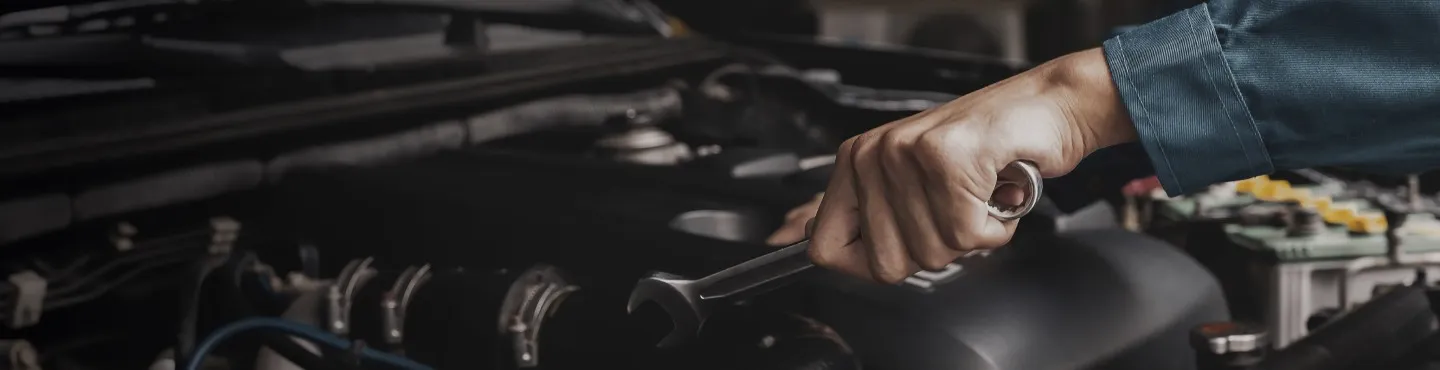
If you’ve noticed your brakes making noise, pulling to one side, or just not feeling right, it’s not something to shrug off. Brakes are the single most important safety system on your car - ignoring them is just asking for trouble.
If you’re searching for “brake inspection near me”, it probably means you want answers fast, without waiting in a crowded shop. That’s exactly why we bring the mechanic to you.
A proper brake inspection isn’t just a quick peek at the pads. A trained mechanic will:
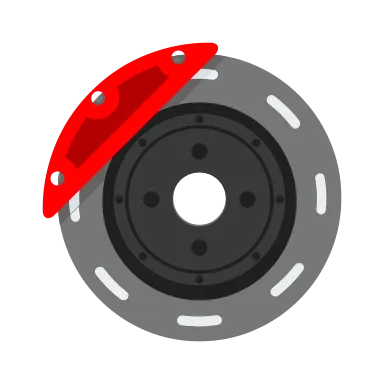
Check the thickness of your brake pads and rotors
Inspect calipers and hardware for smooth operation
Look over brake lines and hoses for cracks or leaks
Test brake fluid for level and quality
Make sure your parking brake works properly
Listen for odd noises or vibrations
Basically, we examine the whole braking system from top to bottom. It’s like a full health check for your brakes.
Some drivers wait until their brakes scream at them. By then, you’re already facing bigger problems. Regular inspections help:
Stop small problems from turning into expensive repairs
Keep your stopping distance consistent and safe
Protect your ABS system and other components
Make sure your car is safe for your family
We’ve seen worn pads destroy rotors in just a few hundred miles, all avoidable with a simple check.
Last month, a driver in Dallas called us after hearing a squeal when braking. Our mechanic found that the front pads were down to 2mm which is dangerously low and the rotors were already scoring. By replacing just the pads immediately, we prevented a $700+ rotor replacement.
In another case, a driver in Orlando complained of a soft brake pedal. Upon inspection, our mechanic found moisture-contaminated brake fluid. Flushing and replacing the fluid restored braking performance and prevented caliper corrosion, a repair that could have cost over $400 if ignored.
At least once per year, or roughly every 12,000 miles
Immediately if you notice: squealing, grinding, vibrations, dashboard warnings, or the car pulling to one side
City driving, heavy traffic, or frequent towing can wear your brakes faster than normal. Don’t wait for a disaster to happen - a quick inspection now can save hundreds down the road.
Most brake inspections are done in 30–60 minutes. If there are odd vibrations or ABS concerns, it might take a little longer, but it’s always worth the time. A thorough inspection today avoids emergency trips tomorrow.
Sure, you can do a basic check if you’re confident and have the right tools:
Peek through the wheel to estimate pad thickness
Check brake fluid level
Listen for squeals or grinding
But a professional inspection removes the guesswork. We can measure pad wear, check rotor alignment, inspect calipers, and even spot tiny leaks - things most drivers would never notice.
Technically, maybe. Safely? Definitely not.
Worn pads can:
Increase stopping distance
Damage rotors
Cause metal-on-metal grinding
Lead to brake failure
Once pads are worn, it’s just a matter of time before more expensive repairs are needed.
We bring the inspection to you. No towing, no waiting rooms, no unnecessary upsells.
With Instant Car Fix you get:
Mobile brake inspections at your home or office
Certified mechanics with years of hands-on experience
Transparent pricing and honest recommendations
Same-day service in many areas
We don’t just tell you something’s worn - we explain what needs attention and why, so you can make informed decisions.
Call us immediately if you notice:
Grinding or squealing brakes
Brake pedal sinking or feeling soft
Vehicle shaking while stopping
Brake fluid leaking
Brake warning lights staying on
These are critical issues. Safety first - don’t wait.
Q: How much does a brake inspection cost?
A: Most inspections range from free to $100–$200. Costs vary if repairs are needed, but early detection keeps expenses lower.
Q: Can a brake inspection be done at home?
A: Yes! Our mobile mechanics come to your home, office, or parking lot - no towing, no waiting rooms.
Q: How long does it take?
A: A standard inspection usually takes 30–60 minutes, depending on vehicle complexity.
Q: How do I know if my brakes are bad?
A: Listen for squeals, grinding, or feel for vibrations. Warning lights and soft pedals are also indicators.
Q: Can worn pads damage rotors?
A: Absolutely. Metal-on-metal contact from worn pads can cause severe rotor damage, increasing repair costs.
Q: Can I drive safely with worn brakes?
A: Not recommended. Worn brakes compromise stopping distance and overall safety.
Your brakes protect you, your passengers, and everyone on the road. Don’t gamble with your safety.
Schedule your on-site brake inspection today. Our certified mobile mechanics will inspect your brakes thoroughly, explain everything in plain language, and get you safely back on the road - all at your location.
Get a real Brakes Inspection service from a mobile mechanic near you, no workshop visit needed.
No commitment • See pricing instantly

Instant Car fix saved the day, the tech was knowledgeable and efficient and knew exactly what was needed. Definitely recommend for my BMW F32.


The mechanic was very pleasant, got to work immediately, knew what he was doing and completed the battery replacement quickly. I was impressed.

They were prompt in getting a mechanic to us. Clark’s Mobile Repair showed up. Immediately fixed the problem. He was very professional

Prompt service, very helpful in diagnosing whether I had the right parts. Have great advice on when to change the parts again. Would recommend to anyone who needs mechanic support

From start to finish the whole process was smooth and easy. The website was easy to navigate and when I called for additional assistance I was helped immediately and there was no pushing me to purchase additional services. The mechanics arrived on time, asked good questions, and worked quickly. Very polite and helpful. I was glad I chose this company.

Very skilled and prompt on site and the truck starts up fine with new starter- highly recommend him for future repairs

Adam was great! I was skeptical at first, but glad I booked. 10/10 definitely will book again when I need services done on my vehicle.

Needed a car battery changed. Set up the appointment and they had someone out the very next day. The mechanic did a great job making it happen. Very much appreciated.

Had a leaky fuel rail, tech came out same day and fixed it asap, very professional and very easy to get work done.

Instant Car fix saved the day, the tech was knowledgeable and efficient and knew exactly what was needed. Definitely recommend for my BMW F32.
The mechanic was very pleasant, got to work immediately, knew what he was doing and completed the battery replacement quickly. I was impressed.
They were prompt in getting a mechanic to us. Clark’s Mobile Repair showed up. Immediately fixed the problem. He was very professional
Prompt service, very helpful in diagnosing whether I had the right parts. Have great advice on when to change the parts again. Would recommend to anyone who needs mechanic support
From start to finish the whole process was smooth and easy. The website was easy to navigate and when I called for additional assistance I was helped immediately and there was no pushing me to purchase additional services. The mechanics arrived on time, asked good questions, and worked quickly. Very polite and helpful. I was glad I chose this company.
Very skilled and prompt on site and the truck starts up fine with new starter- highly recommend him for future repairs
Adam was great! I was skeptical at first, but glad I booked. 10/10 definitely will book again when I need services done on my vehicle.
Needed a car battery changed. Set up the appointment and they had someone out the very next day. The mechanic did a great job making it happen. Very much appreciated.
Had a leaky fuel rail, tech came out same day and fixed it asap, very professional and very easy to get work done.