Financing all Credit Types - 
Financing all Credit Types -
Financing all Credit Types -
Financing all Credit Types -
Most drivers quickly become familiar with how their brake pedal normally feels. Under normal conditions, the pedal should feel firm and responsive, and the vehicle should begin slowing down as soon as pressure is applied.
However, some drivers eventually notice something different.
Instead of feeling firm, the brake pedal feels soft or spongy when pressed. The pedal may travel farther toward the floor before the brakes begin to engage.
Drivers often describe the problem in several ways:
“My brake pedal feels soft.”
“My brakes feel spongy.”
“My brake pedal goes almost to the floor.”
“My brakes feel squishy.”
Although the wording may vary, these descriptions usually point to the same issue: a loss of hydraulic pressure within the braking system.
Because the braking system is responsible for stopping the vehicle safely, any change in brake pedal feel should be investigated promptly.
Modern vehicles rely on a hydraulic braking system to transfer pressure from the brake pedal to the brakes at each wheel.
When the driver presses the pedal:
Brake fluid moves through sealed brake lines.
Hydraulic pressure travels to the brake calipers.
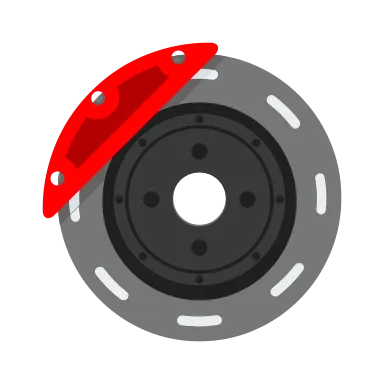
Brake pads press against the rotors.
Friction slows the vehicle.
For this system to work properly, two conditions must exist:
The brake system must remain sealed.
The brake fluid must remain free of air.
If air enters the system or hydraulic pressure drops, the brake pedal may feel soft or spongy.
Technicians usually solve this problem by bleeding the brake system, which removes trapped air from the brake lines.
Several mechanical problems can cause spongy brakes or a soft brake pedal.
Understanding these causes can help drivers recognize when the braking system needs attention.
Air trapped in brake lines is one of the most common reasons brakes feel spongy.
Brake fluid is designed to transmit pressure efficiently because it does not compress. Air, however, compresses easily.
When air enters the system, part of the pedal pressure compresses the air rather than applying force to the brakes.
Symptoms may include:
spongy brake pedal
increased pedal travel
delayed braking response
Bleeding the brake system usually resolves this issue.
Low brake fluid can also cause the brake pedal to feel soft.
Brake fluid levels may drop due to:
worn brake pads
small leaks in brake lines
aging brake components
When fluid levels fall too low, the braking system may struggle to maintain hydraulic pressure.
Drivers may also notice a brake warning light on the dashboard.
Leaks in the braking system reduce hydraulic pressure and can create a soft brake pedal.
Common locations for brake fluid leaks include:
brake hoses
brake lines
brake calipers
wheel cylinders
master cylinder
Even small leaks can eventually reduce braking performance.
The master cylinder converts brake pedal movement into hydraulic pressure.
If the internal seals wear out, brake fluid may bypass the seals rather than generating pressure.
Symptoms may include:
brake pedal slowly sinking
inconsistent braking pressure
reduced braking performance
Master cylinder problems usually require replacement.
Brake fluid naturally absorbs moisture over time.
Contaminated fluid can reduce braking efficiency and cause the brake pedal to feel spongy.
For this reason, manufacturers typically recommend replacing brake fluid every few years.
Drivers often describe a spongy brake pedal as feeling:
soft or compressible
less firm than normal
slow to respond
requiring more pressure to stop the vehicle
Instead of immediately slowing the vehicle, the pedal may feel like it continues moving downward before braking occurs.
This sensation usually indicates a loss of hydraulic pressure in the braking system.
In more serious situations, the brake pedal may go all the way to the floor.
This condition may be caused by:
severe brake fluid leaks
master cylinder failure
air in the brake lines
worn brake components
If the pedal suddenly drops to the floor, drivers should stop the vehicle safely and have the braking system inspected immediately.
Some drivers notice that pumping the brake pedal temporarily restores braking pressure.
This often indicates a pressure problem in the braking system.
Common causes include:
air trapped in brake lines
brake fluid leaks
failing master cylinder
Pumping the brakes may temporarily improve braking performance, but it does not fix the underlying issue.
Imagine approaching a busy intersection when you press the brake pedal and notice it feels unusually soft.
Although the vehicle still slows down, the pedal travels farther than normal.
In this situation, drivers should:
reduce speed gradually
increase following distance
avoid sudden braking
schedule a brake inspection immediately
Ignoring a soft brake pedal can allow the issue to worsen unexpectedly.
Drivers sometimes confuse soft brakes with hard brakes, but these conditions have different causes.
Soft brake pedal:
pedal travels farther than normal
braking pressure feels weak
pedal feels spongy or compressible
Hard brake pedal:
pedal feels stiff and difficult to press
braking requires more force
often related to brake booster issues
Understanding the difference helps mechanics diagnose braking problems more quickly.
Although this problem can occur in any vehicle, certain models have experienced recurring brake system issues.
Some F-150 trucks have experienced soft brake pedal complaints related to master cylinder wear.
Certain Silverado models have experienced brake line corrosion that can lead to pressure loss.
Brake booster or master cylinder issues have occasionally contributed to soft brake pedal complaints.
High-mileage Camry models may develop spongy brake pedal feel if brake fluid maintenance is neglected.
Routine brake inspections help prevent these issues.
Professional technicians follow a structured diagnostic process when investigating spongy brakes.
Typical steps include:
Checking brake fluid levels
Inspecting brake lines for leaks
Examining brake pads and rotors
Testing the master cylinder
Bleeding the brake system
These tests help determine whether the issue involves pressure loss, trapped air, or worn components.
A driver reported that the brake pedal felt soft after replacing brake pads.
Inspection revealed air trapped in the brake lines. After bleeding the brakes, the pedal returned to normal firmness.
Another driver noticed the brake pedal gradually becoming softer over time.
Technicians discovered a small leak in a rear brake line. After replacing the line and bleeding the system, braking performance returned to normal.
A vehicle owner reported that the brake pedal slowly sank toward the floor while stopped at traffic lights.
Testing revealed internal seal failure in the master cylinder. Replacing the master cylinder restored proper braking pressure.
Repairing a soft brake pedal depends on identifying the underlying cause.
Common repairs include:
bleeding the brake system
replacing worn brake pads
repairing brake fluid leaks
replacing brake lines
replacing the master cylinder
flushing contaminated brake fluid
Once the hydraulic system is restored, the brake pedal should feel firm again.
Routine maintenance can prevent many braking issues.
Brake fluid absorbs moisture over time and should be replaced according to manufacturer recommendations.
Brake lines should be inspected regularly for corrosion or leaks.
Allowing brake pads to wear completely can damage other braking components.
Whenever brake components are replaced, the system should be properly bled to remove trapped air.
A soft brake pedal usually indicates air in the brake lines, low brake fluid, or a loss of hydraulic pressure.
Fixing the problem may involve bleeding the brake system, repairing leaks, replacing worn components, or replacing the master cylinder.
Driving with a soft brake pedal is not recommended because braking performance may be reduced.
Signs include a soft brake pedal, longer stopping distances, and a brake warning light on the dashboard.
Yes. Brake fluid levels may drop naturally as brake pads wear down.
Drivers experiencing a soft brake pedal may also encounter other brake-related problems:
Brake Pedal Goes to the Floor
Grinding Noise When Braking
Car Pulls When Braking
Understanding these related issues can help identify problems earlier.
Diagnosing brake system issues can be difficult without proper tools.
Instant Car Fix helps drivers across the United States connect with automotive professionals who specialize in diagnosing issues such as:
spongy brake pedals
brake fluid leaks
master cylinder failures
hydraulic pressure loss
brake system warning lights
Proper diagnostics help identify the exact cause of the problem and avoid unnecessary repairs.
If the brake pedal feels soft, the braking system is signaling that something may be affecting hydraulic pressure.
Although the vehicle may still stop, braking performance may worsen if the issue is ignored.
Having the braking system inspected early helps ensure the vehicle remains safe to drive and prevents small problems from developing into more serious mechanical failures.
Get a real Brake Pedal Feels Soft Diagnosis service from a mobile mechanic near you, no workshop visit needed.
No commitment • See pricing instantly

⭐⭐⭐⭐⭐ 5-Star Review! Outstanding service from start to finish! The mechanic was extremely professional, knowledgeable, courteous, and thorough. He took his time examining my vehicle, demonstrated a strong understanding of his work, and made the entire experience comfortable and stress-free. It's refreshing to encounter someone who takes pride in their profession and genuinely values customer service. His professionalism, attention to detail, and positive attitude really stood out. I highly recommend his services to anyone looking for a dependable, skilled, and trustworthy mechanic. Excellent customer service and an overall five-star experience!


Awesome and quick service. Very professional and great work. He even let me know what else needs to be done to the wheel hub and gave me an estimate on parts and time for labor! Most definitely would recommend!!!

Instant Car fix saved the day, the tech was knowledgeable and efficient and knew exactly what was needed. Definitely recommend for my BMW F32.

Had Caleb do a pre-purchase inspection on a Jeep I was buying from Missouri, and the guy was great. Really thorough — found stuff I would’ve missed, told me straight what was worth fixing and what wasn’t. No runaround, answered all my questions fast. If you’re buying a used rig, don’t skip this step. I highly recommend.

Prompt service, very helpful in diagnosing whether I had the right parts. Have great advice on when to change the parts again. Would recommend to anyone who needs mechanic support

Seriously, you should give this man a raise. I know of NO ONE who could do all of this and much more. My trunk is cleaner in addition to my car being saved from destruction.

From start to finish the whole process was smooth and easy. The website was easy to navigate and when I called for additional assistance I was helped immediately and there was no pushing me to purchase additional services. The mechanics arrived on time, asked good questions, and worked quickly. Very polite and helpful. I was glad I chose this company.

I needed a vehicle inspection done for a truck I could be there to see for myself. A thorough inspection was done, the mechanic called and talked to after and a report was sent afterward. I would use this company again.

Excellent service. Mechanic had my car up and running in under 15 minutes. Convient home service. Will use this service again.

⭐⭐⭐⭐⭐ 5-Star Review! Outstanding service from start to finish! The mechanic was extremely professional, knowledgeable, courteous, and thorough. He took his time examining my vehicle, demonstrated a strong understanding of his work, and made the entire experience comfortable and stress-free. It's refreshing to encounter someone who takes pride in their profession and genuinely values customer service. His professionalism, attention to detail, and positive attitude really stood out. I highly recommend his services to anyone looking for a dependable, skilled, and trustworthy mechanic. Excellent customer service and an overall five-star experience!
Awesome and quick service. Very professional and great work. He even let me know what else needs to be done to the wheel hub and gave me an estimate on parts and time for labor! Most definitely would recommend!!!
Instant Car fix saved the day, the tech was knowledgeable and efficient and knew exactly what was needed. Definitely recommend for my BMW F32.
Had Caleb do a pre-purchase inspection on a Jeep I was buying from Missouri, and the guy was great. Really thorough — found stuff I would’ve missed, told me straight what was worth fixing and what wasn’t. No runaround, answered all my questions fast. If you’re buying a used rig, don’t skip this step. I highly recommend.
Prompt service, very helpful in diagnosing whether I had the right parts. Have great advice on when to change the parts again. Would recommend to anyone who needs mechanic support
Seriously, you should give this man a raise. I know of NO ONE who could do all of this and much more. My trunk is cleaner in addition to my car being saved from destruction.
From start to finish the whole process was smooth and easy. The website was easy to navigate and when I called for additional assistance I was helped immediately and there was no pushing me to purchase additional services. The mechanics arrived on time, asked good questions, and worked quickly. Very polite and helpful. I was glad I chose this company.
I needed a vehicle inspection done for a truck I could be there to see for myself. A thorough inspection was done, the mechanic called and talked to after and a report was sent afterward. I would use this company again.
Excellent service. Mechanic had my car up and running in under 15 minutes. Convient home service. Will use this service again.