Financing all Credit Types - 
Financing all Credit Types -
Financing all Credit Types -
Financing all Credit Types -
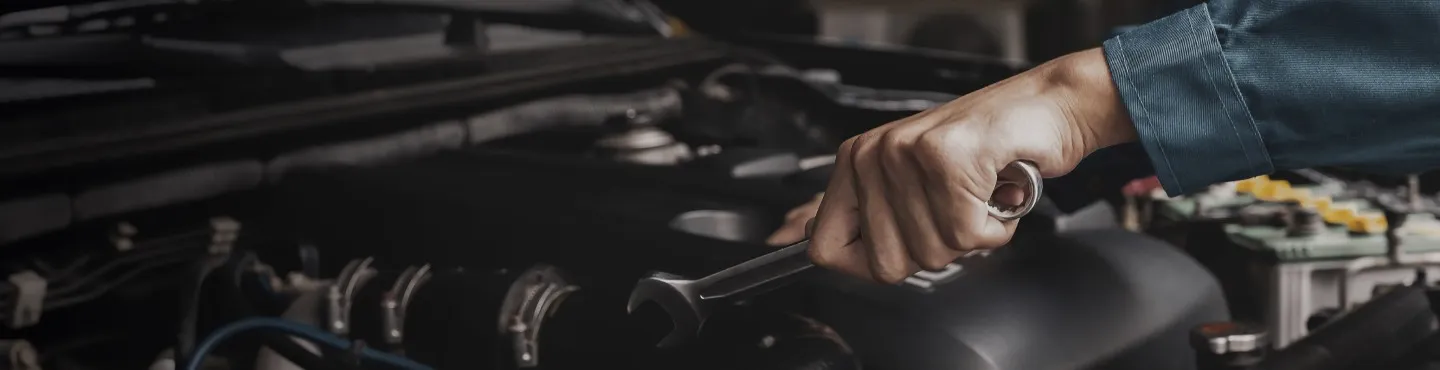
Your brake fluid reservoir might look like a small, insignificant component under the hood, but it plays a vital role in your car’s braking system. It stores the hydraulic brake fluid that allows your brake calipers and cylinders to function properly. Without a properly working reservoir or clean brake fluid, your vehicle’s ability to stop safely is compromised.
Ignoring a damaged or leaking reservoir can lead to spongy brakes, reduced braking performance, or even total brake failure, putting you and your passengers at risk.
With Instant Car Fix, you don’t need to wait in a shop or deal with unreliable mechanics - our certified technicians come to you, fully equipped to handle reservoir replacement, fluid flush, and full brake system diagnostics.
The brake fluid reservoir is a small, translucent container located on the master cylinder under your hood. It stores brake fluid that travels through hydraulic lines to your brakes at each wheel.
Key Points:
Ensures proper hydraulic pressure in the braking system
Protects the master cylinder and calipers from corrosion
Maintains consistent stopping power
A malfunctioning reservoir - whether cracked, leaking, or contaminated can compromise brake performance and trigger dashboard warning lights.
The total cost of replacing a brake fluid reservoir ranges from $150 to $300, including parts and labor:
Reservoir cost: $50 – $100
Labor: $100 – $200
Factors affecting cost:
Vehicle make and model
Reservoir accessibility
Additional repairs (like hoses or master cylinder)
💡 Instant Car Fix often offers lower costs than dealerships because we bring the service to your location, saving towing and shop fees.
Here are the most common signs you may need a brake fluid reservoir replacement or brake fluid exchange:
Brake Fluid Leaks – Puddles under your car can indicate a crack or damaged reservoir.
Low Brake Fluid Levels – Frequent drops in fluid without visible leaks could signal a faulty tank.
Spongy Brake Pedal – Air entering the hydraulic system through a damaged reservoir causes a soft pedal.
Brake Warning Light – Dashboard alerts often indicate low or contaminated fluid.
Contaminated Fluid – Dark, murky fluid suggests moisture and debris have compromised your brake system.
Ignoring these signs can result in brake failure, making timely replacement crucial.
A brake fluid exchange is more than topping off your reservoir. Over time, brake fluid absorbs moisture from the air, which:
Corrodes metal brake components
Reduces boiling point, leading to brake fade under heavy braking
Compromises stopping power
You should consider a fluid exchange if:
Brake fluid is dark or contaminated
Pedal feels spongy
Warning lights are active
It’s been more than 2–3 years since the last fluid change
Cost: $70 – $150 for a professional brake fluid flush, depending on vehicle and fluid type.
💡 Case Study: One customer noticed a dark, sludgy fluid in the reservoir. Our technician performed an on-site flush and reservoir inspection. Within 45 minutes, the brakes were fully restored, and the customer avoided potential caliper corrosion that would have cost over $500 in repairs.
While topping off the fluid yourself is possible, DIY reservoir replacement or fluid exchange is tricky:
Reservoir access may require removing the engine cover or wheel well liner
Improper bleeding can leave air in the brake lines
Risk of contaminating the fluid, reducing braking efficiency
Professional mobile service ensures correct fluid type, proper bleeding, and secure reservoir installation, protecting both performance and safety.
Can I drive with a leaking reservoir?
No. Driving with a leaking reservoir can result in complete brake failure. Park immediately and arrange service.
2. How do I know if my brake fluid is bad?
Dark or murky fluid
Spongy pedal
Reduced braking power
If any of these occur, schedule a brake fluid flush.
3. Should I top off without flushing?
Topping off does not remove moisture or contaminants. Only a full flush will restore optimal performance.
4. DOT 3 vs DOT 4: Which brake fluid is better?
DOT 3 – Suitable for most vehicles, lower boiling point, cheaper
DOT 4 – Higher boiling point, less moisture absorption, ideal for high-performance cars
Always follow your vehicle manufacturer’s recommendation.
Neglecting brake maintenance can lead to:
Corrosion – Moisture in old fluid corrodes calipers, lines, and master cylinder
Reduced Braking Power – Fluid boiling or contamination reduces efficiency
Brake Failure – Worst-case scenario: complete system failure
💡 Example: One driver delayed a fluid exchange for 3+ years. The reservoir developed leaks and moisture caused caliper corrosion. Our mobile service replaced the reservoir, flushed the system, and prevented a $700+ repair bill.
Discolored fluid (dark brown or black)
Spongy or soft brake pedal
Burning smell after heavy braking
Reduced stopping performance
With Instant Car Fix, you can avoid dealership downtime:
Certified Mechanics: Experienced in all braking systems
Mobile Service: At home, office, or work
Transparent Pricing: No hidden fees
Comprehensive Service: Reservoir replacement, brake fluid exchange, hose inspection, bleeding, and system diagnostics
We ensure your brakes are safe and responsive before you hit the road again.
How often should I replace brake fluid?
A: Every 2–3 years or 30,000 miles, whichever comes first.
Q: Can a leaking reservoir cause ABS failure?
A: Yes, low fluid can prevent ABS from functioning properly.
Q: How long does mobile brake fluid service take?
A: 45–90 minutes, depending on vehicle complexity.
Q: Can old fluid damage my master cylinder?
A: Yes. Moisture and debris can corrode the master cylinder and calipers.
Q: Do I need a full system flush or just reservoir replacement?
A: A full system flush is recommended whenever replacing a reservoir to ensure optimal braking performance.
Get a real Brake Fluid Reservoir service from a mobile mechanic near you, no workshop visit needed.
No commitment • See pricing instantly

From start to finish the whole process was smooth and easy. The website was easy to navigate and when I called for additional assistance I was helped immediately and there was no pushing me to purchase additional services. The mechanics arrived on time, asked good questions, and worked quickly. Very polite and helpful. I was glad I chose this company.


They were prompt in getting a mechanic to us. Clark’s Mobile Repair showed up. Immediately fixed the problem. He was very professional

Needed a car battery changed. Set up the appointment and they had someone out the very next day. The mechanic did a great job making it happen. Very much appreciated.

The mechanic was very pleasant, got to work immediately, knew what he was doing and completed the battery replacement quickly. I was impressed.

Prompt service, very helpful in diagnosing whether I had the right parts. Have great advice on when to change the parts again. Would recommend to anyone who needs mechanic support

Had a leaky fuel rail, tech came out same day and fixed it asap, very professional and very easy to get work done.

Very skilled and prompt on site and the truck starts up fine with new starter- highly recommend him for future repairs

Adam was great! I was skeptical at first, but glad I booked. 10/10 definitely will book again when I need services done on my vehicle.

Instant Car fix saved the day, the tech was knowledgeable and efficient and knew exactly what was needed. Definitely recommend for my BMW F32.

From start to finish the whole process was smooth and easy. The website was easy to navigate and when I called for additional assistance I was helped immediately and there was no pushing me to purchase additional services. The mechanics arrived on time, asked good questions, and worked quickly. Very polite and helpful. I was glad I chose this company.
They were prompt in getting a mechanic to us. Clark’s Mobile Repair showed up. Immediately fixed the problem. He was very professional
Needed a car battery changed. Set up the appointment and they had someone out the very next day. The mechanic did a great job making it happen. Very much appreciated.
The mechanic was very pleasant, got to work immediately, knew what he was doing and completed the battery replacement quickly. I was impressed.
Prompt service, very helpful in diagnosing whether I had the right parts. Have great advice on when to change the parts again. Would recommend to anyone who needs mechanic support
Had a leaky fuel rail, tech came out same day and fixed it asap, very professional and very easy to get work done.
Very skilled and prompt on site and the truck starts up fine with new starter- highly recommend him for future repairs
Adam was great! I was skeptical at first, but glad I booked. 10/10 definitely will book again when I need services done on my vehicle.
Instant Car fix saved the day, the tech was knowledgeable and efficient and knew exactly what was needed. Definitely recommend for my BMW F32.