Financing all Credit Types - 
Financing all Credit Types -
Financing all Credit Types -
Financing all Credit Types -
By Mike Reynolds, ASE-Certified Master Technician
A burning rubber smell coming from your car is never something you should completely ignore.
Sometimes the cause is harmless like a plastic bag touching the exhaust or brand-new brake pads breaking in. Other times, it’s an early warning sign of overheated brakes, a slipping serpentine belt, leaking oil, or even an electrical problem.
In our shop, we’ve seen drivers ignore the smell for weeks thinking it was “just an old car smell,” only to end up stranded with a snapped serpentine belt or severely overheated brakes. We’ve also seen cases where the problem turned out to be nothing more than road debris stuck underneath the vehicle.
The important thing is understanding the difference before a small issue becomes an expensive repair.
Here’s what usually causes a burning rubber smell, what symptoms mechanics look for first, and when you should stop driving immediately.
One reason drivers struggle to diagnose burning smells is because several completely different problems can produce very similar odors.
Here’s what mechanics typically associate with each type of smell:
Usually points toward:
♦ overheating wiring
♦ electrical shorts
These smells often become noticeable through the cabin vents.
Commonly caused by:
♦ slipping serpentine belts
♦ overheated brakes
♦ clutch slipping
♦ tire rubbing
This smell tends to linger after driving.
Often indicates:
♦ coolant leaking onto hot engine parts
♦ overheating engine components
♦ coolant hose failures
Drivers sometimes describe this as “sweet burning syrup.”
Usually caused by:
♦ oil leaks
♦ valve cover gasket leaks
♦ oil dripping onto exhaust components
This is especially common on older, higher-mileage vehicles.
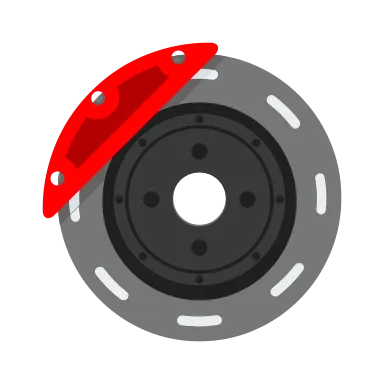
One of the most common causes of a burning smell is overheated brakes.
Your brake system creates enormous heat every time you slow down. During heavy traffic, mountain driving, or repeated hard braking, temperatures climb rapidly. If a brake caliper sticks and doesn’t release fully, the brake pad continues rubbing against the rotor while you drive. That constant friction creates a strong burning odor many drivers describe as “burning rubber.”
We see this regularly on trucks, SUVs, and vehicles driven in stop-and-go traffic.
Common signs:
♦ Burning smell near one wheel
♦ Car pulling slightly while driving
♦ Excessive heat from one wheel
♦ Reduced fuel economy
♦ Brake pedal feels different than normal
How serious is it?
Potentially very serious. A severely overheated brake can damage rotors, destroy pads, and eventually compromise braking performance.
Quick mechanic check:
After a short drive, carefully move your hand near each wheel without touching it. If one wheel feels dramatically hotter than the others, a sticking brake component may be the cause.
If your brakes feel soft, shaky, or unusually hot, schedule a professional brake inspection immediately.
The serpentine belt powers several important engine components:
♦ water pump
♦ power steering pump
♦ AC compressor
When the belt slips because of wear, weak tension, or a failing pulley bearing, friction builds quickly and creates a sharp burning smell.
Many drivers first notice it:
♦ during acceleration
♦ after starting the AC
♦ during rainy weather
♦ on cold mornings
Common signs:
♦ Squealing or chirping noise
♦ Burning smell during acceleration
♦ Cracks or glazing on the belt
♦ Weak battery charging
♦ Heavy steering feel
Why this matters:
If the belt snaps completely, you can suddenly lose:
♦ battery charging
♦ power steering
♦ cooling system circulation
That can leave you stranded very quickly.
Summer heat makes many vehicle problems more noticeable.
Higher outside temperatures increase:
♦ brake temperatures
♦ engine bay heat
♦ cooling system stress
♦ belt slippage
♦ transmission temperatures
This is why many drivers suddenly notice burning smells:
♦ during heat waves
♦ after long highway drives
♦ in stop-and-go traffic
♦ while running the AC heavily
Vehicles already developing minor issues often begin showing obvious symptoms once temperatures rise.
A leaking valve cover gasket or fluid line can drip onto hot exhaust components and create a strong chemical or rubber-like smell.
This is especially common on older vehicles with higher mileage.
In many cases, drivers notice the smell most strongly after highway driving because exhaust temperatures become much hotter after sustained speeds.
♦ Light smoke from engine bay
♦ Oil spots underneath vehicle
♦ Smell after parking
♦ Residue near exhaust manifold
♦ Low oil or coolant levels
How serious is it?
Moderate to severe depending on the leak location. Fluid contacting very hot exhaust parts can become a fire hazard if ignored long enough.
Electrical problems can sometimes smell surprisingly similar to burning rubber.
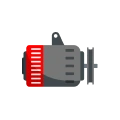
A failing alternator may overheat internally or seize its pulley bearing, causing the drive belt to slip and generate heat. Electrical wiring can also overheat if insulation becomes damaged or circuits short out.
One thing we explain to customers frequently:
electrical burning smells usually become stronger inside the cabin because the HVAC system pulls the odor through the vents near the windshield.
Common signs:
♦ Battery warning light
♦ Flickering headlights
♦ Burning smell from vents
♦ Weak battery
♦ Electrical glitches
♦ Dim interior lights
How serious is it?
High. Electrical problems can escalate quickly and should never be ignored.
If you’re seeing battery warnings or electrical issues, our alternator replacement and battery diagnostic service can identify the problem before it leaves you stranded.
Sometimes the problem is much simpler than people expect.
Plastic bags, leaves, or road debris can stick to the hot exhaust system and create a strong smell for several minutes.
We’ve had customers tow vehicles in for this exact issue.
Signs this may be the cause:
♦ Smell appeared suddenly
♦ Light smoke underneath vehicle
♦ No warning lights
♦ Smell gradually fades away
Usually, once the debris burns off or is removed, the smell disappears completely.
Manual transmission vehicles can create a burning smell when the clutch overheats from excessive slipping.
This commonly happens:
♦ during hill starts
♦ in stop-and-go traffic
♦ while towing
♦ when the clutch is badly worn
Common symptoms:
Engine revs increasing without acceleration
♦ Difficulty shifting
♦ Burning smell after hard driving
♦ Clutch engagement point changing
Typical repair severity:
Moderate to expensive. Once a clutch begins slipping badly, replacement is usually necessary.
An overheating engine can create multiple burning smells at once:
♦ hot coolant
♦ overheated hoses
♦ oil contacting engine parts
♦ burning rubber components
Drivers often notice the smell alongside steam or rising engine temperature.
Warning signs:
♦ Temperature gauge climbing
♦ Steam from hood
♦ Coolant smell
♦ Loss of cabin heat
♦ Warning lights
Important:
If your engine is overheating, stop driving immediately. Continuing to drive can cause catastrophic engine damage within minutes.
If your vehicle is overheating or losing coolant, schedule an engine overheating inspection before serious engine damage occurs.
One of the reasons burning smells become expensive repairs is because drivers often assume the wrong thing is causing the odor.
Some common misdiagnoses include:
This is one of the most dangerous assumptions we hear.
A mild burning smell today can become:
♦ seized brakes
♦ a shredded belt
♦ overheating
♦ electrical failure
within days or weeks.
That actually makes many problems easier to identify because heat-related failures become more noticeable at higher temperatures.
Temporary disappearance doesn’t always mean the issue fixed itself.
Many failing components only overheat under:
♦ heavy load
♦ hot weather
♦ long drives
♦ stop-and-go traffic
New brakes or belts can create temporary smells while breaking in, but persistent burning smells after repairs should still be checked.
The consequences depend entirely on the cause.
Ignoring a minor fluid leak may eventually lead to:
♦ damaged gaskets
♦ smoke
♦ worsening leaks
Ignoring brake overheating can lead to:
♦ warped rotors
♦ destroyed brake pads
♦ brake fade
♦ damaged wheel bearings
Ignoring a slipping serpentine belt may eventually cause:
♦ complete belt failure
♦ overheating
♦ dead battery
♦ roadside breakdown
And ignoring electrical burning smells can become extremely dangerous if wiring insulation begins melting.
In many cases, early diagnosis dramatically reduces repair costs.
That depends entirely on the cause.
A brief smell from new brakes or road debris is usually not dangerous. But persistent burning smells especially with warning lights, smoke, overheating, or braking problems should be inspected immediately.
If the smell is:
♦ getting stronger
♦ entering the cabin
♦ combined with smoke
♦ combined with overheating
♦ combined with electrical problems
you should stop driving and have the vehicle inspected as soon as possible.
When diagnosing a burning smell, technicians usually inspect:
♦ brake temperatures
♦ serpentine belt condition
♦ pulley bearings
♦ fluid leaks
♦ alternator output
♦ electrical wiring
♦ exhaust system
♦ cooling system condition
One of the fastest ways to isolate brake-related issues is using an infrared temperature gun to compare wheel temperatures after a road test.
If your check engine light is also on, a professional check engine light diagnostic can help pinpoint the issue faster.
Repair costs vary depending on the vehicle and the exact cause, but these are common ranges:
♦ Brake caliper replacement: roughly $300-$700
♦ Serpentine belt replacement: roughly $120-$300
♦ Alternator replacement: roughly $400-$1,200
♦ Valve cover gasket leak repair: roughly $150-$600
♦ Cooling system repairs: roughly $200-$1,500
♦ Clutch replacement: roughly $800-$1,500
The earlier the issue is diagnosed, the cheaper the repair usually is.
A customer called us with Ford F-150 complaining about a strong burning smell that appeared after about 15 minutes of driving.
At first, the customer thought something was stuck underneath the truck. During inspection, one rear wheel measured dramatically hotter than the others using an infrared temperature gun. The rear brake caliper had partially seized, keeping the brake pad pressed against the rotor constantly.
The rotor had already started discoloring from excessive heat.
Fortunately, the issue was caught before the brake system suffered more serious damage.
Before visiting a repair shop, there are a few safe things drivers can inspect on their own.
Check for:
♦ oil spots
♦ coolant drips
♦ leaking fluid
With the engine off, look for:
♦ cracks
♦ fraying
♦ shiny glazing
♦ missing chunks
Battery, brake, or temperature lights can provide important clues.
Does it happen:
♦ during acceleration?
♦ after highway driving?
♦ only with the AC on?
♦ only after braking?
That information helps narrow the diagnosis quickly.
Squealing belts, grinding brakes, or whining pulleys often appear alongside burning smells.
A burning rubber smell is often the first warning sign that something is overheating, leaking, or failing.
Catching the issue early can prevent:
♦ expensive repairs
♦ roadside breakdowns
♦ brake damage
♦ overheating
♦ electrical failures
At Instant Car Fix, our ASE-certified technicians diagnose burning smells, overheating problems, brake issues, alternator failures, and belt problems every day.
If your vehicle smells like burning rubber, schedule a professional inspection before the problem gets worse.
♦ Brake Inspection
♦ Alternator Testing
♦ Cooling System Diagnosis
♦ Engine Overheating Repair
♦ Belt & Pulley Inspection
♦ Electrical System Diagnostics


Not always. A temporary smell from new brakes or road debris may be harmless, but persistent burning smells can indicate overheating brakes, slipping belts, or electrical problems. If the smell is accompanied by smoke, warning lights, or reduced vehicle performance, stop driving and have the vehicle inspected immediately.
Highway driving creates much higher temperatures in the brakes, engine bay, transmission, and belt system. Existing issues like a dragging brake caliper, slipping serpentine belt, or fluid leak often become more noticeable after longer drives. If the smell happens consistently after highway driving, the vehicle should be inspected.
Yes. A worn or slipping serpentine belt can create friction and heat as it moves across engine pulleys, producing a strong burning rubber smell. Drivers often notice squealing noises, charging issues, or steering changes alongside the odor.
Burning smells during acceleration are commonly linked to belt slippage, transmission stress, or clutch slipping in manual vehicles. Acceleration increases engine load, which can worsen overheating or friction-related problems. If the smell becomes stronger under acceleration, it’s important to have the drivetrain inspected.
Absolutely. Overheated brake pads and rotors can produce a sharp, acrid smell many drivers describe as burning rubber. This is especially common after heavy braking, stop-and-go traffic, mountain driving, or when a brake caliper sticks and fails to release properly.
Not all overheating components produce visible smoke right away. Early-stage belt slippage, brake overheating, or electrical issues can create strong odors before visible smoke appears. Even without smoke, persistent burning smells should still be taken seriously.
Yes. A failing alternator can overheat internally or seize its pulley bearing, which may cause the serpentine belt to slip and burn. In some cases, overheated electrical wiring or insulation inside the alternator can also create a burning rubber or hot plastic smell.
Some problems only occur under specific driving conditions like heavy acceleration, hot weather, or highway speeds. For example, a slipping belt or dragging brake may cool down temporarily after the vehicle is parked. Even if the smell disappears, the underlying issue may still exist.
Indirectly, yes. Low oil levels can increase engine temperatures and sometimes allow leaking oil to contact hot exhaust components. This can create a strong chemical or rubber-like burning smell, especially after longer drives.
If the smell is severe or accompanied by overheating, smoke, battery warnings, brake problems, or loss of power steering, towing is the safest option. Continuing to drive could lead to more expensive repairs or create a serious safety risk.
A burning rubber smell is often an early warning sign of overheating brakes, slipping belts, fluid leaks, or electrical problems. Our ASE-certified technicians can quickly diagnose the issue and help prevent more expensive repairs or breakdowns later.

Came out snd fixed my parents car today. Very nice young man my dad said. He did a good job. Thank you.


Excelent he was very professional and polite my car was running again within 10 minutes after he arrives

The mechanics were out promptly and completed the service efficiently! The entire experience was easy to manage.

Got his work done quickly and efficiently even though we had some hiccups he stuck through it till the end. Great mechanic great man.

The experience is well received mechanic was on time and waited for me and stayed until the fljob is completer

Great service! I would definitely use them again if I ever find I need a dead battery replaced with no way to get to a shop except having it towed in. Love that they come directly to your house!

Reggie was outstanding, quick, and personable. I’ll be sure to Instantaneous Car Fix the next time I’m stuck on the road.

Sergio was fantastic! He was very informative and explained everything to us during the diagnostic. Thank you, Sergio!

Great service, everything was fine, they were nice and polite, will be using them for all my car needs

Came out snd fixed my parents car today. Very nice young man my dad said. He did a good job. Thank you.
Excelent he was very professional and polite my car was running again within 10 minutes after he arrives
The mechanics were out promptly and completed the service efficiently! The entire experience was easy to manage.
Got his work done quickly and efficiently even though we had some hiccups he stuck through it till the end. Great mechanic great man.
The experience is well received mechanic was on time and waited for me and stayed until the fljob is completer
Great service! I would definitely use them again if I ever find I need a dead battery replaced with no way to get to a shop except having it towed in. Love that they come directly to your house!
Reggie was outstanding, quick, and personable. I’ll be sure to Instantaneous Car Fix the next time I’m stuck on the road.
Sergio was fantastic! He was very informative and explained everything to us during the diagnostic. Thank you, Sergio!
Great service, everything was fine, they were nice and polite, will be using them for all my car needs