Financing all Credit Types - 
Financing all Credit Types -
Financing all Credit Types -
Financing all Credit Types -
You turn the key and pause for a second longer than normal.
Maybe the engine cranks slowly. Maybe it struggles before finally starting. Sometimes it clicks once, hesitates, and then fires up. Other times it cranks for several seconds before the engine finally catches.
That hesitation is your car warning you that something is beginning to fail.
Many drivers ignore these symptoms for weeks or even months because the vehicle still eventually starts. But hesitation during startup is often an early warning sign of battery problems, starter issues, fuel system failure, ignition problems, or sensor issues that can eventually leave you stranded completely.
The good news is that starting hesitation is usually diagnosable early and catching it early often prevents much larger repairs later.
At Instant Car Fix, hard-start and slow-start diagnosis is one of the most common services our mobile mechanics perform. This guide explains the most common causes, what the symptoms actually mean, which vehicles are most prone to the issue, and how to know when it's time to get the car inspected.
“Starting hesitation” can describe several completely different symptoms.
Sometimes the engine turns over slowly, almost like it’s struggling to wake up. Other times the engine cranks normally but takes several seconds before finally starting.
The exact behavior matters because different symptoms point toward different failures.
Common startup hesitation symptoms include:
♦ slow cranking
♦ long cranking before starting
♦ clicking without starting
♦ multiple start attempts
♦ intermittent starting
♦ weak cranking after sitting overnight
♦ hesitation after refueling
♦ hard hot starts
♦ rough starts followed by normal driving
The more precisely you describe the symptom, the easier the diagnosis becomes.
Many drivers use all of these terms interchangeably, but they actually mean very different things.
The engine turns over sluggishly or weakly.
This usually points toward:
♦ weak battery
♦ bad starter
♦ poor battery connection
♦ charging system problems
The engine cranks at normal speed but takes too long to actually start.
This usually points toward:
♦ fuel pressure problems
♦ fuel pump failure
♦ injector issues
♦ crankshaft sensor problems
You hear clicking when turning the key but the engine doesn’t crank.
This often indicates:
♦ dead battery
♦ bad starter solenoid
♦ poor electrical connections
You may also want to read:
The vehicle does absolutely nothing.
Possible causes include:
♦ dead battery
♦ blown fuse
♦ ignition switch failure
♦ immobilizer problems
♦ severe electrical faults
A weak battery is still the most common cause of starting hesitation.
Your starter motor requires a massive burst of electrical current to crank the engine. As batteries age, they lose their ability to deliver that current consistently.
At first, the hesitation may only happen in the morning or after the car sits overnight. Over time, the slow starts become more frequent until the battery finally fails completely.
Common symptoms include:
♦ slow cranking
♦ dim headlights during startup
♦ hesitation after sitting
♦ intermittent clicking
♦ weak starts in cold weather
If your battery repeatedly dies or struggles to hold charge, read:
Why your car battery keeps dying
Typical repair cost:
$100-$250
The alternator charges the battery while the engine runs.
When the alternator begins failing, the battery slowly loses charge between drives. Many drivers replace the battery first, only to discover the starting hesitation returns because the alternator never fixed the underlying charging issue.
Common signs include:
♦ battery warning light
♦ dim lights while driving
♦ repeated battery problems
♦ hesitation after short trips
♦ stalling while driving
You may also want to read:
Typical repair cost:
$300-$700
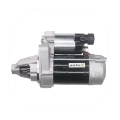
The starter motor physically spins the engine during startup.
As starters wear out, they may crank slowly, click without engaging, or fail intermittently especially when hot.
Many drivers describe it as:
“It sounds weak.”
“It struggles to turn over.”
“It eventually starts, but barely.”
Heat soak is also common. The starter works fine cold but hesitates after the engine has been running.
You may also want to read:
Typical repair cost:
$200-$600
If the engine cranks normally but takes too long to actually start, the fuel system is often involved.
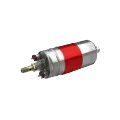
A weak fuel pump may not build pressure quickly enough. Fuel pressure may also bleed down overnight, forcing the engine to crank longer before enough pressure returns.
Common fuel-related starting symptoms include:
♦ long crank before starting
♦ hesitation after sitting overnight
♦ rough starts
♦ hesitation after refueling
♦ stalling after startup
You may also want to read:
And:
Car won't start after getting gas
Typical repair cost:
$400-$900
Your ignition system creates the spark needed to ignite the fuel-air mixture inside the engine.
Worn spark plugs, failing ignition coils, or ignition timing problems can all create hard starts.
The engine may:
♦ crank normally
♦ stumble during startup
♦ shake briefly
♦ misfire after starting
♦ hesitate more during cold weather
Many drivers replace the battery repeatedly when worn spark plugs are actually the real issue.
Typical repair cost:
$100-$500
depending on whether plugs, coils, or other ignition components are involved.
This is one of the simplest and most overlooked causes of starting hesitation.
Even a healthy battery cannot deliver proper current through corroded or loose connections.
Watch for:
♦ white or blue corrosion around terminals
♦ intermittent starting
♦ sudden loss of electrical power
♦ random clicking
♦ inconsistent cranking speed
Cleaning the terminals is inexpensive and can sometimes completely solve the problem.
Typical repair cost:
$0-$50
Both extreme heat and extreme cold can make startup hesitation worse.
Cold weather:
♦ reduces battery capacity
♦ thickens engine oil
♦ increases starter resistance
Hot weather:
♦ overheats starters
♦ increases fuel vaporization
♦ worsens fuel pump weakness
♦ exposes failing sensors
Some vehicles start perfectly in moderate weather but struggle during seasonal extremes.
The crankshaft position sensor tells the ECU where the crankshaft is rotating so spark and fuel injection happen at the correct time.
When the sensor begins failing, the engine may:
♦ crank for too long
♦ struggle to start when hot
♦ start and immediately stall
♦ intermittently refuse to start
Heat-related crankshaft sensor failure is extremely common.
You may also want to read:
Car dies when hot but restarts later
Typical repair cost:
$150-$300
A flooded engine has too much fuel in the combustion chamber and not enough air.
This is less common on modern vehicles but still happens.
Common signs include:
♦ strong fuel smell
♦ repeated failed starts
♦ engine cranks normally but won’t fire
Holding the accelerator fully to the floor during cranking can sometimes help clear excess fuel on modern fuel-injected vehicles.
Modern vehicles use electronic security systems that prevent unauthorized starting.
If the immobilizer system malfunctions, the vehicle may:
♦ crank but not start
♦ refuse to crank entirely
♦ display flashing security lights
♦ start intermittently
Sometimes the issue is simply a failing key transponder.
Typical repair cost:
$150-$500+
Some vehicles experience starting hesitation more frequently than others.
Common issues include:
♦ weak batteries
♦ alternator failures
♦ starter heat soak
♦ carbon buildup on EcoBoost engines
Older Hondas commonly develop:
♦ starter problems
♦ ignition switch issues
♦ relay failures
♦ battery connection corrosion
These trucks frequently experience:
♦ crankshaft sensor failures
♦ fuel pump problems
♦ battery drain issues
♦ starter wear at higher mileage
Common causes include:
♦ carbon buildup
♦ ignition coil failure
♦ PCV system problems
♦ fuel pressure issues
Known for:
♦ crankshaft sensor failure
♦ fuel pump relay problems
♦ intermittent hot-start issues
When you start your car, several systems must work perfectly together within seconds.
The battery powers the starter.
The starter spins the crankshaft.
The crankshaft sensor tells the ECU engine position.
The fuel pump builds pressure.
The injectors deliver fuel.
The ignition system creates spark.
If even one part of this chain becomes weak, delayed, or inconsistent, the vehicle hesitates to start.
That’s why startup problems can feel so different depending on which component is failing.
One customer in Northern Virginia had replaced the battery in his Jeep Grand Cherokee twice within a year because the vehicle kept hesitating during startup.
The real issue turned out to be a failing alternator that was undercharging the battery after every drive. Once the alternator was replaced, the startup hesitation disappeared completely.
Another customer with a BMW 328i complained that the car sometimes started instantly and other times cranked for five seconds before finally starting. Fuel pressure testing revealed the fuel pump was slowly losing residual pressure after shutdown. The fuel pump module was replaced and cold starts returned to normal.
We also diagnosed a Volkswagen Golf that repeatedly fouled spark plugs and struggled during cold starts. The underlying issue was severe carbon buildup on the intake valves - a common direct-injection problem. After intake cleaning, the vehicle started normally again.
There are several things you can safely check yourself before calling a mechanic.
A healthy battery should read:
♦ 12.6V engine off
♦ 13.8–14.7V while running
Low charging voltage usually points toward the alternator.
Look for:
♦ corrosion
♦ loose terminals
♦ damaged cables
♦ weak ground connections
The sound matters.
♦ slow crank = battery/starter
♦ long crank = fuel delivery
♦ clicking = low voltage/starter issue
♦ no crank = ignition/electrical/security issue
Even inexpensive OBD-II scanners can reveal:
♦ crankshaft sensor codes
♦ ignition misfires
♦ charging system issues
♦ fuel system faults
Turn the key to “ON” for 3 seconds before starting.
If this helps significantly, fuel pressure bleed-down may be the issue.
Some starting issues are simple.
Others require advanced electrical and fuel-system diagnostics.
Professional diagnosis is recommended for:
♦ fuel pump issues
♦ starter replacement
♦ alternator problems
♦ intermittent no-starts
♦ security system faults
♦ sensor-related hard starts
Trying to guess and replace random parts usually becomes far more expensive than diagnosing the problem correctly the first time.
Climate matters more than many drivers realize.
Hot climates accelerate:
♦ battery degradation
♦ starter heat soak
♦ fuel vapor issues
♦ fuel pump wear
Cold climates increase:
♦ battery strain
♦ oil resistance
♦ starter load
♦ slow cranking problems
Stop-and-go commuting also increases wear because the battery and starter cycle constantly while the alternator has less time to fully recharge the battery.
A starting hesitation problem almost always gets worse over time. What begins as an occasional slow start can eventually leave you stranded completely. Diagnosing the issue early can often prevent larger electrical or fuel system repairs later.
At Instant Car Fix, our mobile mechanics diagnose:
♦ battery problems
♦ starter failures
♦ alternator issues
♦ fuel system faults
♦ ignition problems
♦ crankshaft sensor failures
♦ intermittent no-start conditions
directly at your location.
We provide:
♦ battery testing
♦ charging system testing
♦ fuel pressure diagnostics
♦ live scan diagnostics
♦ starter testing
♦ electrical troubleshooting
without requiring a tow truck or shop visit.
If you're searching for a mechanic near me because your car hesitates to start, Instant Car Fix can diagnose the issue on-site and help prevent a complete breakdown.


A long crank before starting usually points to fuel delivery or sensor problems. Weak fuel pumps, leaking fuel pressure, clogged injectors, or crankshaft sensor issues are among the most common causes.
No. While weak batteries are very common, hard-start problems can also come from the starter motor, alternator, ignition coils, fuel system, or engine sensors. Many drivers replace the battery only to discover the real problem was elsewhere.
Cold temperatures reduce battery performance and make engine oil thicker, which increases resistance during startup. Weak batteries and aging starters usually become much more noticeable during winter.
Hot-start hesitation is commonly caused by starter heat soak, weak fuel pumps, vapor lock, or failing crankshaft position sensors. Some vehicles develop heat-related electrical problems that only appear after the engine reaches operating temperature.
Yes. A weak fuel pump may struggle to build proper fuel pressure, causing the engine to crank longer before starting. Fuel pressure problems often become worse after the vehicle sits overnight or after refueling.
If the battery repeatedly dies, the battery warning light appears, or the vehicle loses power while driving, the alternator may be failing. Voltage testing is the fastest way to determine whether the battery or charging system is the real issue.
Yes. Worn spark plugs or failing ignition coils can cause delayed starts, rough idle, misfires, and hesitation during startup. Ignition problems are especially common on higher-mileage vehicles.
This often happens because the battery weakens overnight or fuel pressure slowly leaks down while the engine is off. The longer the vehicle sits, the more noticeable the hesitation may become.
No. A jump start only temporarily helps a weak battery crank the engine. If the underlying issue involves the alternator, starter, fuel system, or electrical wiring, the problem will return.
If your car hesitates to start, cranks too long, or struggles during startup, the issue could involve the battery, starter, alternator, fuel system, ignition system, or engine sensors. Instant Car Fix mobile mechanics diagnose hard-start problems directly at your location using professional diagnostic equipment, battery testing, fuel pressure testing, and live scan diagnostics without requiring a tow truck or shop visit.

Great service! I would definitely use them again if I ever find I need a dead battery replaced with no way to get to a shop except having it towed in. Love that they come directly to your house!


Reggie was outstanding, quick, and personable. I’ll be sure to Instantaneous Car Fix the next time I’m stuck on the road.

Came out snd fixed my parents car today. Very nice young man my dad said. He did a good job. Thank you.

The mechanics were out promptly and completed the service efficiently! The entire experience was easy to manage.

Excelent he was very professional and polite my car was running again within 10 minutes after he arrives

Great service, everything was fine, they were nice and polite, will be using them for all my car needs

Got his work done quickly and efficiently even though we had some hiccups he stuck through it till the end. Great mechanic great man.

The experience is well received mechanic was on time and waited for me and stayed until the fljob is completer

Sergio was fantastic! He was very informative and explained everything to us during the diagnostic. Thank you, Sergio!

Great service! I would definitely use them again if I ever find I need a dead battery replaced with no way to get to a shop except having it towed in. Love that they come directly to your house!
Reggie was outstanding, quick, and personable. I’ll be sure to Instantaneous Car Fix the next time I’m stuck on the road.
Came out snd fixed my parents car today. Very nice young man my dad said. He did a good job. Thank you.
The mechanics were out promptly and completed the service efficiently! The entire experience was easy to manage.
Excelent he was very professional and polite my car was running again within 10 minutes after he arrives
Great service, everything was fine, they were nice and polite, will be using them for all my car needs
Got his work done quickly and efficiently even though we had some hiccups he stuck through it till the end. Great mechanic great man.
The experience is well received mechanic was on time and waited for me and stayed until the fljob is completer
Sergio was fantastic! He was very informative and explained everything to us during the diagnostic. Thank you, Sergio!