Financing all Credit Types - 
Financing all Credit Types -
Financing all Credit Types -
Financing all Credit Types -
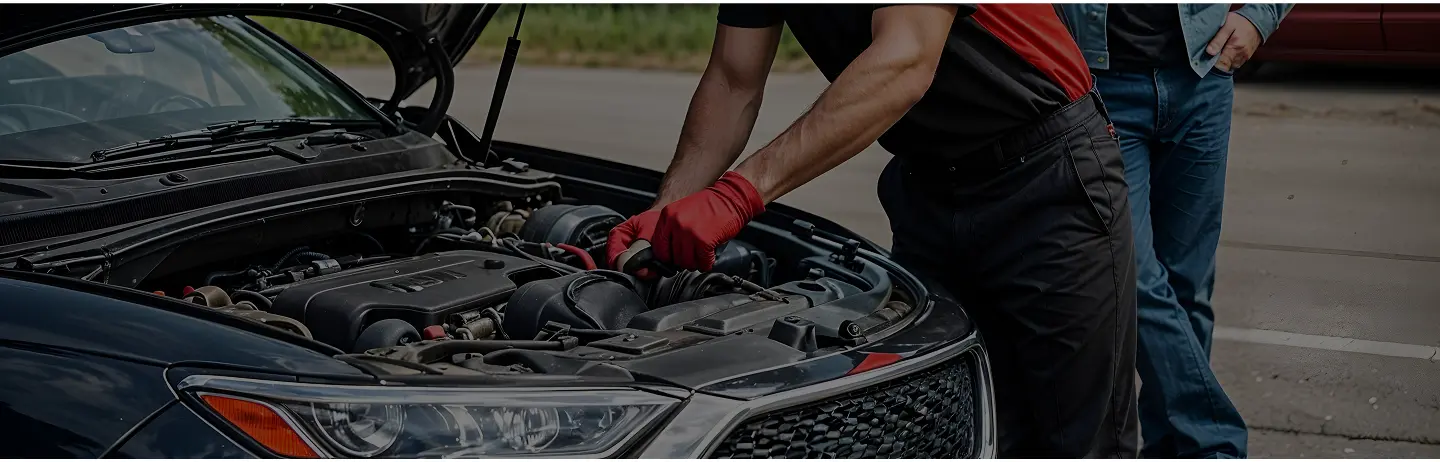
Few dashboard warnings make drivers panic faster than seeing both the ABS light and brake warning light turn on at the same time.
Sometimes it happens suddenly while driving. Sometimes the lights appear after starting the car. Other times they come on during braking, after hitting a pothole, or while driving in rain or snow.
Many drivers immediately wonder:
♦ Is my car still safe to drive?
♦ Are the brakes about to fail?
♦ Is this an expensive repair?
♦ Should I stop driving immediately?
The truth is that both warning lights together usually mean the vehicle detected a problem affecting either the anti-lock braking system, the hydraulic braking system, or both.
In some cases, the issue is relatively minor like low brake fluid or a failing wheel speed sensor. In other cases, the problem can involve serious hydraulic brake pressure loss or ABS module failure.
At Instant Car Fix, brake warning light diagnostics are one of the most common safety-related calls our mobile mechanics handle. This guide explains:
♦ what both lights mean
♦ the most common causes
♦ which symptoms indicate serious danger
♦ repair costs
♦ which vehicles commonly develop these problems
♦ and what you should do next
If your ABS light and brake warning light come on together, the most common causes are:
♦ low brake fluid
♦ worn brake pads
♦ wheel speed sensor failure
♦ ABS module problems
♦ hydraulic brake system faults
♦ electrical voltage issues
In many cases, the vehicle still brakes normally but loses anti-lock braking protection. However, if the brake pedal feels soft, spongy, hard, or unsafe, stop driving the vehicle immediately and have the braking system inspected.
ABS stands for Anti-Lock Braking System.
The ABS system prevents the wheels from locking during hard braking. When the ABS system detects wheel speed irregularities, sensor failures, hydraulic pressure problems, or communication faults, the ABS warning light turns on and the system disables anti-lock functionality.
In many vehicles, regular braking still works, but emergency braking performance is reduced. This becomes especially dangerous in rain, snow, ice, gravel, or panic-braking situations.
The brake warning light monitors:
♦ hydraulic brake pressure
♦ brake fluid level
♦ parking brake position
♦ master cylinder operation
♦ electronic brake system faults
When the brake warning light appears alone, it often indicates low brake fluid, parking brake engagement, or hydraulic pressure issues.
But when BOTH the ABS and brake warning lights appear together, the problem is usually more serious.
Low brake fluid is one of the most common reasons both lights appear together.
Brake fluid naturally drops as:
♦ brake pads wear down
♦ small leaks develop
♦ calipers age
♦ hydraulic seals weaken
When brake fluid becomes too low:
♦ hydraulic pressure drops
♦ ABS operation becomes unstable
♦ warning lights activate
Many drivers ignore the light until braking performance changes, but low brake fluid often signals underlying brake wear or leaks that continue worsening.
Common symptoms:
♦ soft brake pedal
♦ longer stopping distances
♦ squeaking brakes
♦ brake fluid warning
♦ ABS light activation
If your brakes also squeak or grind, read:
Why are my brakes squeaking?
Typical repair cost ranges from about $120 to $600 depending on whether fluid service, brake pads, or leak repairs are needed.
Each wheel has a speed sensor that monitors wheel rotation for the ABS system.
When one sensor fails:
♦ ABS loses wheel-speed data
♦ traction control may disable
♦ brake warning lights appear
This is extremely common on:
♦ GM trucks
♦ Ford SUVs
♦ Honda Accords
♦ Nissan Altimas
♦ BMWs
♦ Toyota Camrys
Common symptoms:
♦ ABS light
♦ traction control light
♦ pulsating brake pedal
♦ ABS activating unexpectedly
♦ warning lights after rain or potholes
A failing wheel speed sensor can also create vibration or instability while driving.
Read:
Car shakes while driving
Most wheel speed sensor repairs fall between $150 and $350.
As brake pads wear:
♦ caliper pistons extend farther
♦ brake fluid level drops
♦ braking efficiency decreases
Some vehicles also have electronic brake wear sensors that trigger warning lights automatically.
We see this constantly on higher-mileage vehicles where drivers delay brake service too long.
Common symptoms:
♦ squealing brakes
♦ grinding noise
♦ vibration during braking
♦ low brake fluid
♦ longer stopping distances
Brake pad and rotor replacement usually costs between $250 and $700 depending on the vehicle.
The ABS control module manages:
♦ wheel speed monitoring
♦ hydraulic pressure control
♦ anti-lock activation
♦ traction control communication
When the ABS module fails:
♦ multiple warning lights often appear together
♦ ABS disables
♦ traction control may fail
♦ braking behavior may become inconsistent
ABS module failures are especially common on older GM vehicles, Dodge trucks, BMWs, Mercedes-Benz vehicles, and Ford Escapes.
Common symptoms:
♦ ABS light and brake light together
♦ traction control light
♦ communication codes
♦ intermittent warning lights
♦ ABS activating randomly
ABS module replacement can range from about $500 to over $1,500 depending on the vehicle and programming requirements.
Brake fluid leaks are serious because they directly reduce braking pressure.
Leaks may develop from:
♦ brake lines
♦ calipers
♦ wheel cylinders
♦ master cylinders
♦ ABS hydraulic units
This usually starts small before becoming a major brake issue.
Common symptoms:
♦ soft or sinking brake pedal
♦ fluid under vehicle
♦ low brake fluid reservoir
♦ reduced braking power
♦ warning lights appearing suddenly
If the pedal feels unsafe, stop driving immediately.
Depending on the leak location, repairs may range from $200 to over $1,200.
The master cylinder generates hydraulic brake pressure.
When it begins failing:
♦ brake pedal may sink slowly
♦ hydraulic pressure becomes unstable
♦ ABS faults appear
♦ stopping distances increase
This often feels subtle at first before becoming dangerous.
Common symptoms:
♦ soft brake pedal
♦ inconsistent braking
♦ brake warning light
♦ ABS faults
♦ pedal sinking while stopped
Master cylinder replacement generally costs between $350 and $1,000.
Modern ABS systems depend heavily on stable electrical voltage.
Weak batteries, poor grounds, or failing alternators can create:
♦ ABS communication errors
♦ brake warning lights
♦ sensor faults
♦ intermittent warning lights
This is more common than many drivers realize.
If your battery or charging system has been acting up, read:
Signs of a bad alternator
And:
Why your battery keeps dying
Electrical-related repairs can range from about $150 to $800 depending on the root cause.
Ignoring both warning lights can eventually lead to:
♦ longer stopping distances
♦ loss of ABS protection
♦ uneven braking
♦ brake fluid leaks
♦ total hydraulic brake failure
Many drivers continue driving because the car “still stops normally,” but braking problems often worsen gradually before suddenly becoming dangerous.
If the issue involves leaking brake fluid, failing master cylinders, hydraulic pressure loss, or severe ABS faults, the vehicle may eventually lose braking power entirely.
Usually indicates:
♦ air in brake lines
♦ fluid leak
♦ master cylinder problems
May indicate:
♦ brake booster failure
♦ ABS hydraulic problems
♦ vacuum assist issues
Often points toward:
♦ ABS activation
♦ warped rotors
♦ wheel speed sensor faults
Commonly caused by:
♦ internal master cylinder leakage
♦ hydraulic pressure loss
Very common for:
♦ wheel speed sensor corrosion
♦ ABS module failure
♦ brake line corrosion
Frequently experience:
♦ ABS module communication faults
♦ wheel speed sensor issues
♦ brake booster problems
Known for:
♦ ABS modulator issues
♦ brake wear sensor activation
♦ low brake fluid warnings
Common for:
♦ wheel speed sensor faults
♦ ABS module failure
♦ electrical communication problems
Frequently develops:
♦ ABS hydraulic unit faults
♦ wheel speed sensor problems
♦ brake pressure issues
One customer with a Chevy Silverado noticed both warning lights after hitting a pothole during heavy rain. Another shop recommended replacing the ABS module immediately. Our mechanic found corrosion inside a wheel speed sensor connector causing intermittent signal loss. Cleaning and replacing the connector solved the issue for a fraction of the cost.
Another customer with a Honda Accord complained of a soft brake pedal along with ABS and brake warning lights. Inspection revealed a leaking rear caliper slowly lowering brake fluid levels. Catching the leak early prevented complete brake failure.
We also diagnosed a BMW X5 where the ABS light appeared intermittently alongside random traction control warnings. The actual issue turned out to be unstable alternator voltage disrupting ABS communication.
Proper diagnosis usually involves:
♦ ABS scan tool diagnostics
♦ wheel speed sensor testing
♦ brake fluid inspection
♦ hydraulic pressure testing
♦ electrical voltage testing
♦ brake pedal feel analysis
♦ ABS module communication checks
At Instant Car Fix, our mobile mechanics perform these tests directly at your location without requiring a tow truck or repair shop visit.
If your ABS light and brake warning light came on together, the issue could involve:
♦ low brake fluid
♦ worn brake pads
♦ wheel speed sensors
♦ ABS module failure
♦ hydraulic pressure loss
♦ electrical faults
At Instant Car Fix, our mobile mechanics diagnose:
♦ ABS warning lights
♦ brake system faults
♦ wheel speed sensor problems
♦ hydraulic brake leaks
♦ ABS module failures
♦ electrical brake system issues
directly at your location.
We perform:
♦ ABS diagnostics
♦ brake inspections
♦ hydraulic pressure testing
♦ electrical testing
♦ brake fluid analysis
♦ live scan diagnostics
without requiring a tow truck or repair shop visit.
If you're searching for a mechanic near me because your ABS light and brake warning light turned on together, Instant Car Fix can diagnose the issue on-site and help prevent unsafe braking conditions.


When both lights appear together, the vehicle is detecting a problem affecting both the anti-lock braking system and the main hydraulic brake system. Common causes include low brake fluid, worn brake pads, ABS module failure, wheel speed sensor problems, or hydraulic pressure issues.
It depends on how the brakes feel. If the pedal feels normal and braking performance seems unchanged, the issue may only affect ABS functionality. If the pedal feels soft, spongy, hard, or unsafe, the vehicle should not be driven.
Yes, especially when brake pad wear lowers brake fluid levels inside the reservoir. Some vehicles also use electronic brake pad wear sensors that can trigger multiple brake-related warning lights.
A failing wheel speed sensor can cause ABS activation at low speeds, traction control problems, pulsating brake pedals, or unstable braking behavior. The ABS light usually turns on shortly afterward.
Repair costs vary depending on the failure. A wheel speed sensor may cost $150–$300 to replace, while ABS module or hydraulic control unit repairs can exceed $1,000 on some vehicles.
Yes. In some vehicles, ABS module failures interfere with hydraulic brake pressure regulation and stability control systems. Severe failures may cause unusual pedal feel or inconsistent braking performance.
ABS activating on dry pavement often means the wheel speed sensors are sending incorrect data to the ABS module. Corroded reluctor rings, damaged wiring, or sensor failure are common causes.
Yes. Modern ABS systems rely heavily on stable electrical voltage. Weak batteries, charging problems, or failing alternators can create communication faults that trigger multiple warning lights.
Start by checking the parking brake, brake fluid level, visible leaks, and overall brake pedal feel. If the pedal feels abnormal or fluid is low, the braking system should be inspected immediately.
If your ABS light and brake warning light came on together, the issue could involve low brake fluid, worn brake pads, wheel speed sensor failure, ABS module problems, hydraulic pressure loss, or electrical faults. InstantCarFix mobile mechanics perform brake inspections, ABS diagnostics, brake fluid testing, hydraulic pressure checks, and live scan diagnostics at your location to identify the exact problem before it becomes unsafe.

Got his work done quickly and efficiently even though we had some hiccups he stuck through it till the end. Great mechanic great man.


Came out snd fixed my parents car today. Very nice young man my dad said. He did a good job. Thank you.

Great service! I would definitely use them again if I ever find I need a dead battery replaced with no way to get to a shop except having it towed in. Love that they come directly to your house!

Reggie was outstanding, quick, and personable. I’ll be sure to Instantaneous Car Fix the next time I’m stuck on the road.

Sergio was fantastic! He was very informative and explained everything to us during the diagnostic. Thank you, Sergio!

Great service, everything was fine, they were nice and polite, will be using them for all my car needs

Excelent he was very professional and polite my car was running again within 10 minutes after he arrives

The mechanics were out promptly and completed the service efficiently! The entire experience was easy to manage.

The experience is well received mechanic was on time and waited for me and stayed until the fljob is completer

Got his work done quickly and efficiently even though we had some hiccups he stuck through it till the end. Great mechanic great man.
Came out snd fixed my parents car today. Very nice young man my dad said. He did a good job. Thank you.
Great service! I would definitely use them again if I ever find I need a dead battery replaced with no way to get to a shop except having it towed in. Love that they come directly to your house!
Reggie was outstanding, quick, and personable. I’ll be sure to Instantaneous Car Fix the next time I’m stuck on the road.
Sergio was fantastic! He was very informative and explained everything to us during the diagnostic. Thank you, Sergio!
Great service, everything was fine, they were nice and polite, will be using them for all my car needs
Excelent he was very professional and polite my car was running again within 10 minutes after he arrives
The mechanics were out promptly and completed the service efficiently! The entire experience was easy to manage.
The experience is well received mechanic was on time and waited for me and stayed until the fljob is completer