Financing all Credit Types - 
Financing all Credit Types -
Financing all Credit Types -
Financing all Credit Types -
You back out of the driveway.
You hit the brakes at the first stop sign.
And there it is.
That annoying high-pitched squeak.
Maybe it just started this morning.
Maybe you’ve been ignoring it for weeks hoping it’ll disappear on its own.
Honestly?
It usually doesn’t.
At Instant Car Fix, squeaky brakes are one of the MOST common complaints we get from customers. And the truth is:
sometimes it’s harmless…
but sometimes it’s your brake system warning you before a much more expensive repair shows up.
The difficult part is figuring out which one you’re dealing with.
Because brake noise can come from:
♦ worn brake pads
♦ cheap brake parts
♦ rust buildup
♦ glazed rotors
♦ sticking calipers
♦ brake hardware
♦ or even just overnight moisture.
This guide breaks down:
♦ why brakes squeak
♦ when it’s dangerous
♦ when you should stop driving
♦ and how mechanics actually diagnose the problem.
Because waiting too long on brake noise usually gets expensive fast.
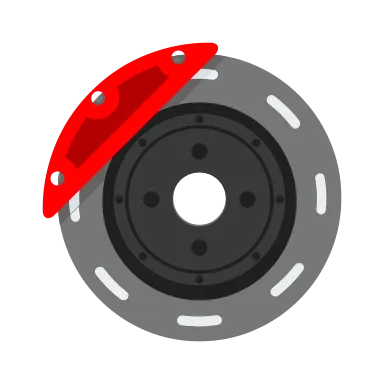
Modern disc brakes are pretty simple.
You basically have:
♦ and brake calipers.
When you press the brake pedal:
the caliper squeezes the brake pads against the spinning rotor.
That friction slows the vehicle down.
Most brake squeaks happen because:
something is vibrating, rubbing, or contacting the rotor incorrectly.
Sometimes it’s normal.
Sometimes it means your brake pads are nearly gone.
This is by far the most common reason brakes squeak.
And believe it or not:
the noise is actually intentional.
Most brake pads include a small metal wear indicator designed to contact the rotor once the pads get thin enough.
That squeal is basically your car saying:
“Hey, your brakes are getting low.”
We see this constantly.
A lot of customers assume:
“The brakes still stop fine, so it can’t be serious.”
But that squeal is your warning window BEFORE grinding starts.
Usually:
♦ high-pitched squealing
♦ consistent noise while braking
♦ worse at lower speeds
♦ sometimes louder when turning.
This is where repair costs jump.
Once the brake pad material fully wears away:
the metal backing plate starts grinding directly into the rotor.
Now instead of:
♦ only the brake pads
you’re replacing:
♦ pads
♦ rotors
♦ and sometimes calipers too.
That gets expensive quickly.
This one scares people constantly.
Overnight moisture creates a thin layer of surface rust on the brake rotors.
That’s completely normal.
The first few times you brake in the morning:
the pads scrape that rust layer off.
Result:
♦ squeaking
♦ light grinding
♦ scraping sounds.
Then it disappears.
If the noise:
♦ only happens briefly
♦ disappears after a few stops
♦ mostly occurs in the morning
…it’s usually harmless.
Especially:
♦ after rain
♦ humid nights
♦ car washes
♦ or long periods of sitting.
This is VERY common on vehicles driven mostly in stop-and-go traffic.
Brake glazing happens when excessive heat hardens the brake pad surface.
Instead of gripping properly:
the pads become smooth and shiny.
That creates:
♦ squealing
♦ poor braking feel
♦ vibration
♦ inconsistent stopping.
Honestly?
We see this a lot on trucks and SUVs driven gently all the time.
♦ Riding the brakes downhill
♦ Heavy stop-and-go traffic
♦ Cheap brake pads
♦ Improper break-in after brake jobs
♦ Constant light braking
Usually:
♦ sharp squealing
♦ worse when brakes are hot
♦ intermittent noise
♦ squeaks during light braking.
Not all brake pads are equal.
This matters WAY more than people realize.
A lot of discount brake jobs use:
♦ cheap metallic pads
♦ low-grade hardware
♦ budget friction compounds.
And honestly?
Many of them squeak almost immediately.
We’ve had customers come to us DAYS after another shop installed brakes because the noise became unbearable.
Higher-quality ceramic pads typically:
♦ create less dust
♦ run quieter
♦ last longer
♦ feel smoother.
They cost more upfront…
but usually save frustration later.
Tiny rocks, sand, brake dust, or debris can get trapped between the pad and rotor.
Even a tiny piece of debris can create:
♦ squealing
♦ scraping
♦ grinding sounds.
Sometimes it clears itself naturally.
Sometimes it doesn’t.
If the sound:
♦ changes suddenly
♦ happens randomly
♦ or appears after driving on gravel roads
debris becomes more likely.
This gets overlooked constantly.
Brake calipers are supposed to slide smoothly during braking.
Over time:
♦ grease dries out
♦ corrosion builds up
♦ slide pins seize.
Now the brake pad drags against the rotor even when you’re NOT braking.
That creates:
♦ constant squealing
♦ uneven wear
♦ overheating
♦ pulling during braking.
This is extremely common in northern states with road salt.
♦ Brake noise while driving
♦ Vehicle pulling slightly
♦ Uneven brake wear
♦ One wheel hotter than others
♦ Burning smell after driving
Brake systems use:
♦ clips
♦ shims
♦ springs
♦ anti-rattle hardware
to reduce vibration and noise.
When shops reuse old hardware during brake jobs:
noise often returns quickly.
Honestly?
This is one of the biggest shortcuts low-cost brake shops take.
Rotors don’t always stay perfectly smooth.
Over time they develop:
♦ hot spots
♦ uneven wear
♦ thickness variation
♦ surface damage.
Now the brake pad vibrates as it contacts the rotor.
That vibration creates:
♦ squealing
♦ shaking
♦ brake pulsation
♦ steering wheel vibration.
♦ Steering wheel shakes while braking
♦ Brake pedal pulses
♦ Rhythmic squeal
♦ Vehicle vibrates during stops
This is more serious.
A sticking caliper keeps pressure on the brake pad even after you release the pedal.
That creates:
♦ constant friction
♦ excessive heat
♦ rapid pad wear
♦ rotor damage
♦ burning smell
♦ dragging sensation.
This is NOT something to ignore.
♦ One wheel extremely hot
♦ Burning smell
♦ Vehicle pulling hard
♦ Constant squeal
♦ Reduced fuel economy
♦ Brake smoke in severe cases
This surprises a lot of people.
New brakes sometimes squeak temporarily after installation.
The pads need time to properly “bed in” against the rotor surface.
This usually improves within:
♦ 100–200 miles.
Mild temporary squeaking:
♦ shortly after installation
♦ during early braking
♦ without vibration or grinding
is usually fine.
If brand-new brakes:
♦ squeal constantly
♦ grind
♦ vibrate
♦ or never improve
the brake job may have been done incorrectly.
We see this a LOT from rushed chain shops.
This matters A LOT.
Usually means:
♦ warning stage
♦ vibration
♦ wear indicators
♦ hardware issues
♦ glazing.
Still important…
but often repairable early.
Grinding means:
metal-on-metal contact.
At that point:
the brake pads are likely completely gone.
Now the rotor is getting destroyed.
Grinding brakes should be addressed immediately.
Depends entirely on WHY they’re squeaking.
♦ Morning moisture
♦ Mild new-brake break-in noise
♦ Early wear indicator squeal
Still:
don’t ignore them forever.
If you have:
♦ grinding
♦ pulling
♦ vibration
♦ burning smell
♦ weak braking
♦ or dragging
stop delaying service.
That usually means the problem is getting worse quickly.
Some vehicles are simply more prone to squeaky brakes.
Very common:
♦ front brake squeal
♦ glazing
♦ noisy factory compounds.
We see this constantly.
Toyota brake systems are extremely reliable…
but many factory pads run noisy.
Especially on newer RAV4s.
Common:
♦ rear brake glazing
♦ metallic pad squeal
♦ hardware wear.
Especially lightly used trucks.
Very common:
♦ slide pin issues
♦ rear brake squeal
♦ uneven wear.
BMW brakes prioritize:
♦ performance
♦ stopping power
over quiet operation.
Brake dust and squeal are much more common on European cars.
Wranglers frequently develop:
♦ debris-related brake noise
♦ bent dust shields
♦ off-road contamination.
Especially after trail use.
A customer with a Honda Accord kept hearing squealing for months.
Another shop told her:
“That’s just how Hondas sound.”
Turns out:
the previous shop installed cheap metallic pads and reused worn hardware.
We replaced:
♦ pads
♦ clips
♦ shims
♦ and lubricated the slide pins.
Noise disappeared completely.
One Silverado owner ignored brake squealing for nearly two months.
Eventually:
the squeal became grinding.
By then:
the rotors were destroyed.
What could’ve been:
♦ a basic brake pad replacement
became:
♦ pads
♦ rotors
♦ additional labor.
This happens ALL the time.
A Toyota RAV4 owner complained about squealing even when NOT braking.
Turns out:
one rear caliper slide pin had seized completely.
The brake pad was dragging constantly against the rotor.
Luckily:
we caught it before the rotor got destroyed.
You don’t always need a full shop inspection immediately.
Here’s what you can safely check yourself.
You can often see:
♦ rotor condition
♦ brake pad thickness
♦ heavy grooves
♦ rust buildup.
If the pads look extremely thin:
service is likely due.
Pay attention to:
♦ when the noise happens
♦ whether it changes
♦ morning-only noise
♦ braking-only noise
♦ constant driving noise.
These clues matter a LOT.
If the:
♦ steering wheel shakes
♦ brake pedal pulses
♦ or vehicle vibrates
rotor issues become more likely.
Low brake fluid can indicate:
♦ worn pads
♦ leaks
♦ or brake system issues.
Don’t ignore it.
Costs vary heavily depending on:
♦ vehicle
♦ parts quality
♦ rotor condition
♦ labor time.
For most vehicles:
basic front brake pad replacement usually falls somewhere around:
♦ $150-$350 professionally installed.
If rotors also need replacement:
the total commonly jumps to:
♦ $350-$700+.
Trucks, SUVs, and European vehicles are usually higher.
And honestly?
Waiting too long is what gets expensive.
Catching brake issues early is almost always cheaper.
At Instant Car Fix, our mobile mechanics diagnose and repair:
♦ squeaky brakes
♦ grinding brakes
♦ brake pad wear
♦ rotor issues
♦ sticking calipers
♦ brake vibration
♦ and complete brake system problems
directly at your home or office.
No waiting rooms.
No towing.
No wasting an entire day at a repair shop.
We come to you.


Usually because the brake pads are reaching the wear indicator stage. The brakes still work, but the system is warning you that the pads are getting low. This is the best time to replace them before rotor damage starts.
Morning moisture creates light surface rust on the brake rotors overnight. The first few brake applications scrape the rust away, which creates temporary squeaking or grinding. If the sound disappears quickly, it’s usually harmless.
That depends on the cause. Moisture-related squeaks may not matter at all, but worn brake pads can eventually turn into grinding brakes that damage rotors. It’s best to have persistent brake noise inspected sooner rather than later.
New brake pads sometimes squeak temporarily while bedding into the rotor surface. However, constant squealing after a brake job can also mean cheap pads, reused hardware, or improper installation.
Squeaking is usually an early warning sign. Grinding typically means the brake pad material is completely gone and metal is scraping directly against the rotor. Grinding brakes should be repaired immediately.
Absolutely. Low-quality metallic brake pads are one of the most common causes of persistent brake noise. Higher-quality ceramic pads usually run much quieter and create less brake dust.
That often points toward a sticking caliper, seized slide pin, bent dust shield, or debris trapped near the rotor. Brake noise while simply driving should definitely be inspected.
Yes. While some brake squeaks are harmless, others are early warnings of worn pads, damaged rotors, or sticking brake components. Ignoring the noise too long can eventually affect stopping performance and safety.
Our mobile mechanics inspect and repair squeaky brakes, worn brake pads, rotor problems, and brake system issues directly at your location - before a simple squeal turns into a major repair bill.

The mechanics were out promptly and completed the service efficiently! The entire experience was easy to manage.


Came out snd fixed my parents car today. Very nice young man my dad said. He did a good job. Thank you.

Great service, everything was fine, they were nice and polite, will be using them for all my car needs

Reggie was outstanding, quick, and personable. I’ll be sure to Instantaneous Car Fix the next time I’m stuck on the road.

Great service! I would definitely use them again if I ever find I need a dead battery replaced with no way to get to a shop except having it towed in. Love that they come directly to your house!

Sergio was fantastic! He was very informative and explained everything to us during the diagnostic. Thank you, Sergio!

Excelent he was very professional and polite my car was running again within 10 minutes after he arrives

Got his work done quickly and efficiently even though we had some hiccups he stuck through it till the end. Great mechanic great man.

The experience is well received mechanic was on time and waited for me and stayed until the fljob is completer

The mechanics were out promptly and completed the service efficiently! The entire experience was easy to manage.
Came out snd fixed my parents car today. Very nice young man my dad said. He did a good job. Thank you.
Great service, everything was fine, they were nice and polite, will be using them for all my car needs
Reggie was outstanding, quick, and personable. I’ll be sure to Instantaneous Car Fix the next time I’m stuck on the road.
Great service! I would definitely use them again if I ever find I need a dead battery replaced with no way to get to a shop except having it towed in. Love that they come directly to your house!
Sergio was fantastic! He was very informative and explained everything to us during the diagnostic. Thank you, Sergio!
Excelent he was very professional and polite my car was running again within 10 minutes after he arrives
Got his work done quickly and efficiently even though we had some hiccups he stuck through it till the end. Great mechanic great man.
The experience is well received mechanic was on time and waited for me and stayed until the fljob is completer