Financing all Credit Types - 
Financing all Credit Types -
Financing all Credit Types -
Financing all Credit Types -
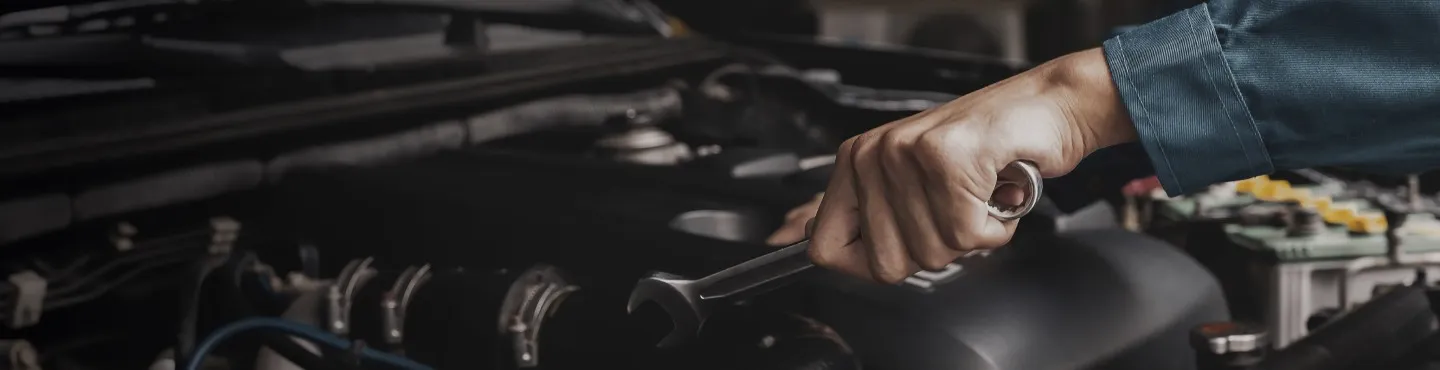
The EVAP purge valve is one of those components that sits quietly in the background, doing its job without ever making itself known until it doesn't.
Most drivers have never heard of it. Many quick-lube shops barely explain it. And yet when it fails, it creates some of the most frustrating and confusing symptoms a driver can experience:
♦ rough idle that feels random
♦ fuel economy getting worse for no obvious reason
The frustrating part is that almost none of these symptoms scream:
“bad EVAP purge valve.”
Instead, drivers end up replacing:
♦ oxygen sensors
♦ fuel injectors
♦ mass airflow sensors
♦ batteries
♦ even fuel pumps
without ever fixing the real issue.
At Instant Car Fix, our mobile mechanics diagnose EVAP purge valve problems regularly and we’ve seen firsthand how often this small component gets overlooked while drivers spend money chasing the wrong repairs.
This guide explains:
♦ every major EVAP purge valve symptom
♦ why it happens
♦ how mechanics diagnose it
♦ which vehicles commonly fail
♦ what repairs usually cost
♦ whether it’s safe to keep driving
The most common signs of a bad EVAP purge valve include:
♦ check engine light with EVAP codes
♦ car won’t start after getting gas
♦ rough idle
♦ fuel smell
♦ poor fuel economy
♦ hesitation during acceleration
♦ failed emissions test
♦ hard starting after refueling
Many drivers searching for a mechanic near me after repeated check engine lights or post-fill-up starting problems are actually dealing with a failing purge valve.
Your fuel system constantly creates gasoline vapors even when the car is parked.
Years ago, those vapors simply escaped into the atmosphere. Modern vehicles instead capture and recycle them through the:
EVAP system
(Evaporative Emission Control System).
The system works like this:
♦ vapors leave the fuel tank
♦ travel into a charcoal canister
♦ remain stored there temporarily
♦ then get pulled into the engine and burned during normal driving
The EVAP purge valve controls this process.
It acts like a gatekeeper between:
♦ the charcoal canister
♦ and the intake manifold.
When the ECU commands it open, fuel vapors enter the engine and burn normally.
When the valve stays closed, vapors remain stored.
The problem begins when the valve:
♦ sticks open
OR
♦ sticks closed.
And honestly, those two failure modes behave VERY differently.
Understanding this distinction is extremely important because:
the symptoms completely change.
This is the more dramatic failure.
A stuck-open purge valve allows fuel vapors to constantly flow into the intake manifold even when they shouldn’t.
This creates:
♦ rich fuel mixtures
♦ rough idle
♦ hard starting
♦ flooding after refueling
♦ fuel smell
♦ hesitation
This is also the classic cause of:
“car won’t start after getting gas.”
A stuck-closed valve prevents vapors from purging properly.
Pressure builds inside:
♦ the canister
♦ vapor lines
♦ fuel tank
Symptoms are usually subtler:
♦ check engine light
♦ failed emissions testing
♦ slight fuel economy loss
♦ EVAP codes
This failure mode usually creates fewer drivability problems initially.
This is the most common symptom by far.
The check engine light comes on and scan tools usually reveal EVAP-related codes like:
P0441 specifically is extremely common with purge valve issues because it indicates:
incorrect purge flow.
The ECU expected a certain vapor flow rate and didn’t detect it properly.
One important thing to understand:
an EVAP code does NOT automatically guarantee the purge valve is bad.
The EVAP system also includes:
♦ vapor lines
♦ charcoal canister
♦ vent valve
♦ fuel cap
♦ fuel tank pressure sensors
But the purge valve is one of the most common failure points.
And honestly, many drivers clear the code repeatedly without realizing the system simply keeps failing the same self-test during each drive cycle.
This is one of the most recognizable purge valve symptoms.
The pattern is usually extremely specific:
♦ car runs perfectly normally
♦ driver fills the gas tank
♦ engine cranks but won’t start
♦ after sitting 10–20 minutes, it finally starts
This happens because a stuck-open purge valve allows a massive amount of fresh fuel vapor into the intake immediately after refueling.
The engine becomes:
flooded.
There’s simply too much fuel vapor present for proper combustion.
If the engine cranks normally but refuses to start after refueling, you may also want to read our guide on why a car cranks but won't start and how mechanics diagnose fuel delivery problems.
Read more:
Car Cranks But Won't Start
One clue mechanics immediately recognize:
the problem ONLY happens after filling the tank.
That’s a huge giveaway.
A stuck-open purge valve continuously feeds unmetered fuel vapor into the engine.
At idle, engines are especially sensitive to mixture changes because airflow is already extremely low.
Drivers often notice:
♦ slight shaking
♦ unstable RPM
♦ rough idle
♦ inconsistent idle speed
♦ engine vibration at stop lights
Many drivers initially mistake this rough idle for ignition or fuel pump problems because the symptoms overlap heavily.
Read more:
Signs of a bad fuel pump
This symptom is especially noticeable:
♦ during cold starts
♦ with a full fuel tank
♦ while idling after refueling
Acceleration requires precise fuel calculations.
A stuck-open purge valve introduces uncontrolled fuel vapor the ECU didn’t account for.
The result can feel like:
♦ hesitation
♦ stumbling
♦ delayed throttle response
♦ surging during light acceleration
This symptom is often most noticeable:
♦ merging onto highways
♦ accelerating from stop lights
♦ cruising at moderate speeds
And honestly, this is where many shops start replacing:
♦ fuel injectors
without realizing the problem is actually vapor flow.
A failing purge valve often causes a subtle but noticeable fuel economy drop.
Usually:
1-3 MPG
The change happens gradually enough that many drivers blame:
♦ weather
♦ driving habits
♦ aging vehicle performance
instead of a mechanical issue.
Charging system problems and alternator failures can also affect drivability and fuel efficiency in ways that confuse diagnosis.
Read more:
Signs of a bad alternator
The reason fuel economy drops is because the ECU is constantly trying to compensate for uncontrolled vapor entering the intake.
The engine never quite reaches ideal efficiency.
In states with emissions inspections, a failed purge valve almost always creates:
♦ incomplete EVAP monitors
♦ EVAP leak codes
♦ readiness failures
Even vehicles that drive normally can fail inspection because the EVAP self-tests cannot complete properly.
This is especially common with:
♦ stuck-closed valves
♦ intermittent purge flow problems
♦ small EVAP leaks
And honestly, this frustrates drivers because:
the car may feel completely fine.
Even outside of refueling situations, a stuck-open purge valve can cause:
♦ longer crank times
♦ rough startup
♦ inconsistent cold starts
This happens because fuel vapors slowly bleed into the intake manifold while the vehicle sits.
The next startup begins with an already rich fuel mixture.
Drivers often adapt to this gradually and stop noticing it until the issue worsens significantly.
A physically cracked purge valve or damaged vapor hose can create:
vacuum leaks.
Vacuum leaks commonly produce:
♦ hissing noises
♦ rough idle
♦ unstable RPM
♦ lean condition codes
The sound is often most noticeable:
♦ at idle
♦ with hood open
♦ near intake manifold area
A smoke test is usually the fastest way to confirm the leak source.
Some vehicles display:
♦ fuel cap warning lights
♦ large EVAP leak codes
♦ small leak warnings
even after the gas cap has already been tightened or replaced.
This happens because the purge valve itself can create what the ECU interprets as:
a large EVAP leak.
Many drivers repeatedly replace gas caps before discovering the real problem is the purge valve.
A stuck-open purge valve can allow excessive vapor buildup near:
♦ engine bay
♦ intake manifold
♦ EVAP hoses
Drivers may notice:
♦ gasoline smell after parking
♦ faint vapor smell during startup
♦ stronger smell near hood area
A strong fuel smell should never be ignored because actual fuel leaks can create similar symptoms.
Some vehicles experience purge valve failures far more often than others.
Very common on:
♦ Silverado
♦ Sierra
♦ Tahoe
♦ Suburban
♦ Avalanche
Classic symptom:
won’t start after filling gas tank.
Common EVAP failures include:
♦ purge valve
♦ vapor line issues
♦ vent valve problems
Especially common on:
♦ 5.4 Triton
♦ 4.6 modular V8
Very common:
♦ rough idle
♦ P0441 codes
♦ fuel smell
♦ post-fill-up flooding
These vehicles often experience purge valve failure earlier than average.
Common symptoms:
♦ rough idle
♦ intermittent EVAP codes
♦ subtle drivability issues
Often less dramatic than GM truck failures.
Usually presents as:
♦ intermittent EVAP codes
♦ readiness monitor failures
♦ slight rough idle
More common past:
80K-120K miles.
You can perform a basic purge valve test at home.
Locate the valve near:
♦ intake manifold
♦ EVAP hoses
♦ intake tubing
With engine OFF:
♦ disconnect one hose
♦ try blowing through valve
A healthy purge valve should remain:
completely sealed.
If air passes through freely:
the valve is likely stuck open.
To test operation electrically:
♦ apply 12V power
♦ listen for clicking
♦ airflow should open only while powered
This simple test catches many failures immediately.
Professional diagnosis usually includes:
live scan tool data
smoke testing
voltage testing
EVAP pressure monitoring
purge flow analysis
Mechanics specifically watch:
♦ commanded purge flow
♦ actual vapor flow
♦ fuel trim behavior
♦ readiness monitor completion
Smoke testing is especially valuable because it quickly identifies:
♦ cracked hoses
♦ canister leaks
♦ stuck valves
♦ vapor leaks
without guessing.
The purge valve itself is relatively inexpensive.
Typical costs:
♦ domestic vehicles: $150-$280 total
♦ European vehicles: $200-$400 total
depending on:
♦ labor access
♦ vehicle design
♦ OEM vs aftermarket parts
The valve itself often costs:
$20-$80.
And honestly, this is why accurate diagnosis matters so much.
Many drivers spend:
♦ hundreds on sensors
♦ injector cleaning
♦ ignition parts
before replacing the actual failed component.
Usually:
yes temporarily.
But the answer depends heavily on how the valve failed.
Usually safe short-term.
Main issues:
♦ emissions failure
♦ check engine light
♦ gradual EVAP system wear
More problematic.
Possible issues:
♦ flooding after refueling
♦ rough idle
♦ hard starting
♦ poor fuel economy
♦ carbon buildup
While not an emergency like overheating or brake failure, the problem generally worsens over time and should be repaired promptly.
One of the most common calls we receive involves GM trucks that suddenly won’t start after refueling. A driver fills up their Silverado, gets back in the truck, and the engine cranks endlessly without starting. Most shops initially suspect bad gasoline, fuel injectors, or even a failing fuel pump. But after checking live scan data, the real issue is often a stuck-open purge valve flooding the intake with fuel vapor immediately after refueling.
Another memorable case involved a Volkswagen Jetta that had developed a rough idle, poor fuel economy, and a recurring P0441 EVAP code. The owner had already replaced the spark plugs, cleaned the throttle body, and installed a new oxygen sensor before realizing none of those repairs addressed the actual problem. Once the purge valve was replaced, the idle immediately smoothed out, fuel trims normalized, and the EVAP codes disappeared completely.
If your vehicle won’t start after getting gas, keeps throwing EVAP codes, idles rough, smells like fuel, or repeatedly fails emissions testing, the most important thing is diagnosing the EVAP system correctly before replacing random parts.
At Instant Car Fix, our mobile mechanics diagnose purge valve failures, EVAP leaks, fuel vapor problems, rough idle conditions, and hard starting issues directly at your location. We perform live scan diagnostics, smoke testing, EVAP leak testing, fuel trim analysis, and electrical testing on-site without requiring a tow.
If you're searching for a mechanic near me because your car won’t start after filling up or keeps showing EVAP codes, Instant Car Fix can often diagnose the issue the same day.
The EVAP purge valve is a small component that creates surprisingly large problems when it fails.
Because the symptoms overlap with:
♦ ignition issues
♦ fuel pump failures
♦ sensor problems
♦ vacuum leaks
♦ charging system faults
many drivers end up replacing parts unnecessarily before the real problem gets identified.
But once you understand the classic symptom patterns:
♦ won’t start after refueling
♦ recurring EVAP codes
♦ rough idle
♦ fuel smell
♦ hesitation
♦ failed emissions testing
purge valve failures become much easier to recognize.
And honestly, proper diagnosis is what saves drivers the most money.
At Instant Car Fix, we diagnose:
♦ EVAP system problems
♦ purge valve failures
♦ hard starting conditions
♦ rough idle complaints
♦ recurring check engine lights
every day.
If your vehicle keeps throwing EVAP codes or struggles to start after filling up and you're searching for a mobile mechanic near me, Instant Car Fix can diagnose the issue directly at your location.


The most common symptoms include a check engine light, rough idle, poor fuel economy, fuel smell, and hard starting after refueling. Many vehicles also trigger EVAP codes like P0441 or P0455.
Yes. A stuck-open purge valve can flood the intake with fuel vapor after refueling, creating a rich condition that prevents the engine from starting. The engine usually cranks normally but won’t fire.
Common purge valve codes include P0441, P0443, P0455, and P0456. These codes usually indicate incorrect purge flow or EVAP system leaks.
Usually yes for short periods, but the problem can worsen over time. A failing purge valve may cause rough idle, poor fuel economy, hard starting, and repeated check engine lights.
Absolutely. A stuck-open purge valve can disrupt the air-fuel mixture and force the ECU to compensate constantly, reducing fuel efficiency. Most drivers notice a gradual MPG drop over time.
A stuck-open purge valve can allow excess fuel vapor into the intake or engine bay, especially after refueling or overnight sitting. Fuel smells should always be checked promptly because actual fuel leaks can create similar symptoms.
Most purge valve replacements take about 30–60 minutes depending on vehicle access and EVAP system layout. Some vehicles place the valve in tighter locations that require additional labor.
If you're searching for a mechanic near me because your car won’t start after filling up or keeps showing EVAP codes, Instant Car Fix can often diagnose the issue the same day.

The experience is well received mechanic was on time and waited for me and stayed until the fljob is completer


Excelent he was very professional and polite my car was running again within 10 minutes after he arrives

The mechanics were out promptly and completed the service efficiently! The entire experience was easy to manage.

Reggie was outstanding, quick, and personable. I’ll be sure to Instantaneous Car Fix the next time I’m stuck on the road.

Came out snd fixed my parents car today. Very nice young man my dad said. He did a good job. Thank you.

Got his work done quickly and efficiently even though we had some hiccups he stuck through it till the end. Great mechanic great man.

Great service! I would definitely use them again if I ever find I need a dead battery replaced with no way to get to a shop except having it towed in. Love that they come directly to your house!

Sergio was fantastic! He was very informative and explained everything to us during the diagnostic. Thank you, Sergio!

Great service, everything was fine, they were nice and polite, will be using them for all my car needs

The experience is well received mechanic was on time and waited for me and stayed until the fljob is completer
Excelent he was very professional and polite my car was running again within 10 minutes after he arrives
The mechanics were out promptly and completed the service efficiently! The entire experience was easy to manage.
Reggie was outstanding, quick, and personable. I’ll be sure to Instantaneous Car Fix the next time I’m stuck on the road.
Came out snd fixed my parents car today. Very nice young man my dad said. He did a good job. Thank you.
Got his work done quickly and efficiently even though we had some hiccups he stuck through it till the end. Great mechanic great man.
Great service! I would definitely use them again if I ever find I need a dead battery replaced with no way to get to a shop except having it towed in. Love that they come directly to your house!
Sergio was fantastic! He was very informative and explained everything to us during the diagnostic. Thank you, Sergio!
Great service, everything was fine, they were nice and polite, will be using them for all my car needs