Financing all Credit Types - 
Financing all Credit Types -
Financing all Credit Types -
Financing all Credit Types -
You get in the car.
You press the button or turn the key.
And…
Nothing.
Maybe the dashboard lights come on.
Maybe the radio works.
Maybe the headlights look perfectly normal.
But the engine?
Dead.
At this point, most people immediately think:
“It has to be the battery.”
So they:
♦ try a jump start
♦ replace the battery
♦ or call someone for cables.
Then the car STILL won’t start.
Honestly, this is one of the most frustrating situations drivers deal with because it feels like the battery should be the problem.
But a lot of the time?
It isn’t.
At Instant Car Fix, we see this constantly.
And more often than not, the battery ends up being completely innocent.
The real issue is usually something deeper like:
♦ a failing starter
♦ bad fuel pump
♦ ignition problem
♦ electrical issue
♦ crankshaft sensor
♦ anti-theft system fault
♦ or charging system failure.
This guide breaks down:
♦ what’s ACTUALLY happening
♦ how mechanics narrow the problem down
♦ the most common no-start causes
♦ what you can check yourself
♦and when it’s time to stop guessing and properly diagnose the vehicle.
Because honestly?
Randomly replacing parts gets expensive very fast.
This part confuses a LOT of people.
Drivers usually assume the battery is okay because:
♦ the lights turn on
♦ the radio works
♦ the dashboard lights up
♦ or the windows still move.
But starting an engine requires WAY more power than running electronics.
Your battery might still have enough power for:
♦ headlights
♦ accessories
♦ screens
♦ phone chargers
…but not enough power to actually crank the engine.
We see this especially during:
♦ winter
♦ extreme heat
♦ after vehicles sit too long
♦ or on older batteries.
That said…
If the battery has been:
♦ properly load tested
♦ fully charged
♦ and verified healthy
…then yes, you’re dealing with a non-battery no-start issue.
And that opens up a completely different list of possible problems.
Before diagnosing anything, we separate the problem into categories.
This is HUGE.
Because:
different no-start symptoms point toward completely different failures.
You turn the key and:
♦ absolutely nothing happens
♦ or maybe just a single click.
This usually points toward:
♦ starter issues
♦ ignition switch problems
♦ bad relay
♦ anti-theft system
♦ neutral safety switch
♦ bad ground connection
This still usually points toward:
♦ low voltage
♦ weak battery
♦ bad battery connection
♦ corroded terminals
Even if the battery “seems fine.”
This is different.
The engine spins normally…
but never actually fires up.
Now mechanics start looking at:
♦ fuel delivery
♦ spark
♦ crankshaft sensor
♦ timing
♦ immobilizer systems
This distinction matters A LOT.
Honestly, this is probably the biggest culprit when:
♦ the battery tests good
♦ lights work normally
♦ but the engine won’t crank.
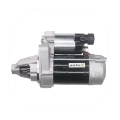
The starter motor physically turns the engine during startup.
Once it begins failing, you’ll often notice:
♦ single loud click
♦ intermittent starting
♦ random no-starts
♦ grinding noises
♦ slow cranking
♦ or complete silence.
And here’s the part that throws people off:
sometimes the car starts perfectly later.
That doesn’t mean the problem disappeared.
Usually it means:
the starter is slowly dying.
We’ve had customers replace perfectly good batteries only to discover the starter had a dead spot internally.
If your car only clicks but won’t crank, read:
Honestly, if tapping the starter suddenly makes the car start…
the starter is almost definitely failing.
We still see this trick work surprisingly often.
This catches people off guard constantly.
A bad alternator absolutely CAN create a no-start condition.
Not because the alternator starts the car…
but because it charges the battery while driving.
If the alternator fails:
the battery slowly drains every time you drive.
Then eventually:
the vehicle won’t start anymore.
A lot of people replace the battery first…
only for the exact same problem to come back days later.
Signs The Alternator May Actually Be The Problem
♦ Battery warning light
♦ Flickering lights
♦ Electronics acting strange
♦ Battery repeatedly dying
♦ Vehicle dies while driving
♦ Burning smell
♦ Weak starts getting worse over time
One thing we see constantly:
people replace batteries when the charging system was the actual issue the whole time.
Learn more:
We had a customer with a Honda Accord that kept killing batteries every few weeks.
The battery tested weak.
So naturally they replaced it.
Then it happened again.
The real problem?
The alternator output dropped badly once the engine warmed up.
Cold testing looked normal.
Hot testing exposed the failure immediately.
That’s why proper diagnosis matters.
Sometimes the issue is surprisingly small.
We’ve literally seen cars inoperable over:
a $7 relay.
Modern vehicles rely heavily on:
♦ starter relays
♦ ignition relays
♦ fuel pump relays
♦ ECU fuses
♦ security system fuses
One failed relay can completely prevent the vehicle from starting.
And honestly?
This gets overlooked way more than it should.
If two relays are identical in the fuse box:
you can sometimes swap them temporarily as a test.
We’ve diagnosed plenty of “major no-start problems” this way.
If the engine cranks normally but never actually starts, fuel delivery becomes a major suspect.
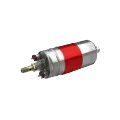
The fuel pump sends pressurized fuel from the tank to the engine.
Without fuel pressure:
the engine simply won’t run.
♦ Vehicle sputters before dying
♦ Hard starts
♦ Random stalling
♦ Whining noise from fuel tank
A lot of fuel pumps fail gradually before dying completely.
That’s important because drivers often ignore:
♦ hard starts
♦ hesitation
♦ sputtering
until the vehicle finally refuses to start entirely.
Turn the key to “ON” without cranking.
Listen carefully near the rear of the vehicle.
You should usually hear:
a brief humming or whirring sound.
No sound?
Fuel pump or relay becomes very suspicious.
Sometimes the issue isn’t the starter.
It’s the signal TO the starter.
The ignition switch sends the command to start the vehicle.
When it begins failing:
♦ nothing happens
♦ the dashboard may flicker
♦ accessories may cut out
♦ or the car starts intermittently.
This can feel incredibly random.
Which is why people often replace batteries first by mistake.
This is a HUGE one.
Especially on:
♦ Nissan
♦ BMW
♦ Ford
♦ Honda
♦ GM vehicles
The crankshaft sensor tells the computer:
where the engine is in its rotation cycle.
Without that information:
♦ spark timing fails
♦ injectors stop firing
One Of The Biggest Clues
The vehicle starts fine cold…
but struggles or refuses to restart once warm.
Honestly?
That symptom screams crankshaft sensor failure.
We see this constantly.
A Toyota Camry owner called us because the vehicle randomly refused to restart after errands.
Cold starts?
Perfect.
Warm restarts?
Dead.
The crankshaft sensor failed once heat built up in the engine bay.
Once replaced:
problem completely disappeared.
Modern vehicles have anti-theft systems that can prevent starting entirely.
If the system doesn’t recognize:
♦ the key
♦ transponder chip
♦ push-button authentication
…the engine may crank but never start.
Or sometimes:
absolutely nothing happens at all.
Common Signs
♦ Flashing security light
♦ Push button flashing
♦ “Key Not Detected”
♦ Car starts with spare key only
♦ Engine immediately shuts off
This is WAY more common than people realize.
Especially after:
♦ battery replacement
♦ water damage
♦ weak key fob batteries
♦ electrical work
Automatic transmission vehicles only start in:
♦ Park
♦ or Neutral.
If the neutral safety switch fails:
the car may think it’s in gear and refuse to start.
Try starting the vehicle in Neutral instead of Park.
Seriously.
Sometimes it’s that simple.
We’ve had customers convinced their transmission was failing…
and it ended up being the switch.
This is where things get more serious.
If the timing system fails:
the engine may crank…
but internal timing becomes completely incorrect.
That means:
♦ valves
♦ pistons
♦ ignition timing
are no longer synchronized.
And the engine won’t run.
Warning Signs Before Failure
♦ Rattling noises
♦ Rough running
♦ Misfires
♦ Oil leaks near timing cover
♦ Sudden shutdown before no-start
This is NOT something to ignore.
Thankfully this is less common.
But yes:
sometimes the engine itself physically locks up.
Usually caused by:
♦ severe overheating
♦ oil starvation
♦ internal engine failure
♦ hydro-locking
In these cases:
the starter may click…
but the engine physically cannot rotate.
Some vehicles absolutely develop patterns.
Common:
♦ starter failures
♦ crankshaft sensors
♦ relay problems
♦ grounding issues
Very common:
♦ alternator failures
♦ starter wear
♦ ignition switch problems
We constantly see:
♦ fuel pump failures
♦ ground issues
♦ battery cable corrosion
Known for:
♦ TIPM issues
♦ random electrical problems
♦ intermittent no-start conditions
Common:
♦ battery registration problems
♦ crank sensors
♦ CAS module issues
♦ electrical faults
Before replacing anything randomly, check these first.
A healthy battery should read roughly:
12.6 volts fully charged.
The sound matters.
♦ single click
♦ rapid clicks
♦ silence
♦ normal crank
Each points somewhere different.
Seriously.
Don’t skip this.
We’ve seen people spend hundreds before finding a blown fuse.
Quick test.
Sometimes surprisingly effective.
Flashing anti-theft lights matter.
A lot.
Even cheap scan tools can provide huge clues.
Especially:
♦ crankshaft sensor codes
♦ immobilizer codes
♦ fuel system codes
Honestly, this is where people lose money.
They replace:
♦ batteries
♦ starters
♦ alternators
♦ sensors
without actually diagnosing the problem first.
And suddenly:
they’ve spent $1,500 chasing a bad relay.
Proper diagnostics matter.
Especially with modern vehicles.
A no-start problem can come from dozens of completely different systems - and replacing random parts usually makes things more expensive, not less.
At Instant Car Fix, our mobile mechanics diagnose:
♦ starter failures
♦ fuel system problems
♦ crankshaft sensor issues
♦ alternator failures
♦ ignition problems
♦ electrical no-start conditions
♦ and intermittent starting problems
directly at your home, office, or parking garage.
So instead of paying for a tow truck and guessing at parts, we help you figure out what’s ACTUALLY wrong before the problem gets worse.
A car that won’t start with a “good battery” usually means the real problem is somewhere else in the system.
And honestly?
Modern vehicles are complicated enough now that guessing usually gets expensive.
The good news is:
most no-start problems ARE diagnosable once someone approaches the issue systematically.
Whether it’s:
♦ a failing starter
♦ fuel pump issue
♦ alternator problem
♦ ignition fault
♦ crankshaft sensor
♦ or electrical issue
…the key is finding the REAL cause before replacing parts unnecessarily.
At Instant Car Fix, we diagnose and repair no-start problems directly at your location so you can avoid the stress of towing, dealership delays, and expensive guesswork.


Even with a healthy battery, your car still needs fuel, spark, starter operation, and proper electrical communication to start. Problems with the starter, fuel pump, ignition system, or sensors can all prevent the engine from starting. A good battery only rules out one part of the system.
Your lights and electronics use far less power than the starter motor. A weak battery may still power accessories while not having enough power to crank the engine. It can also point toward starter or ignition-related problems.
A single loud click often points toward a failing starter motor, bad starter solenoid, or poor electrical connection. This is different from rapid clicking, which usually indicates low battery voltage. Starter issues are one of the most common causes we see.
Yes. The alternator charges the battery while the engine runs. If it fails, the battery slowly drains until the vehicle eventually won’t start anymore.
If the engine cranks normally but never fires up, mechanics usually check fuel delivery, spark, crankshaft sensors, timing, or anti-theft systems. In these cases, the starter is usually working correctly. The issue is typically fuel or ignition related.
Honestly, it’s usually the starter motor. This is especially common when the lights work normally but the engine refuses to crank. Starter problems often become intermittent before failing completely.
Intermittent no-start problems are commonly caused by failing starters, crankshaft sensors, loose battery cables, or ignition switch issues. Heat-related electrical failures are especially common. The problem usually gets worse over time instead of fixing itself.
Absolutely. Cold weather puts extra strain on starters, batteries, and electrical systems. Weak components that barely worked in warm weather often fail once temperatures drop.
Our mobile mechanics can diagnose no-start problems, starter failures, fuel issues, alternator problems, and electrical faults directly at your location - before you waste money replacing the wrong parts.

Got his work done quickly and efficiently even though we had some hiccups he stuck through it till the end. Great mechanic great man.


The experience is well received mechanic was on time and waited for me and stayed until the fljob is completer

Reggie was outstanding, quick, and personable. I’ll be sure to Instantaneous Car Fix the next time I’m stuck on the road.

Excelent he was very professional and polite my car was running again within 10 minutes after he arrives

Great service! I would definitely use them again if I ever find I need a dead battery replaced with no way to get to a shop except having it towed in. Love that they come directly to your house!

Came out snd fixed my parents car today. Very nice young man my dad said. He did a good job. Thank you.

Great service, everything was fine, they were nice and polite, will be using them for all my car needs

The mechanics were out promptly and completed the service efficiently! The entire experience was easy to manage.

Sergio was fantastic! He was very informative and explained everything to us during the diagnostic. Thank you, Sergio!

Got his work done quickly and efficiently even though we had some hiccups he stuck through it till the end. Great mechanic great man.
The experience is well received mechanic was on time and waited for me and stayed until the fljob is completer
Reggie was outstanding, quick, and personable. I’ll be sure to Instantaneous Car Fix the next time I’m stuck on the road.
Excelent he was very professional and polite my car was running again within 10 minutes after he arrives
Great service! I would definitely use them again if I ever find I need a dead battery replaced with no way to get to a shop except having it towed in. Love that they come directly to your house!
Came out snd fixed my parents car today. Very nice young man my dad said. He did a good job. Thank you.
Great service, everything was fine, they were nice and polite, will be using them for all my car needs
The mechanics were out promptly and completed the service efficiently! The entire experience was easy to manage.
Sergio was fantastic! He was very informative and explained everything to us during the diagnostic. Thank you, Sergio!