Financing all Credit Types - 
Financing all Credit Types -
Financing all Credit Types -
Financing all Credit Types -
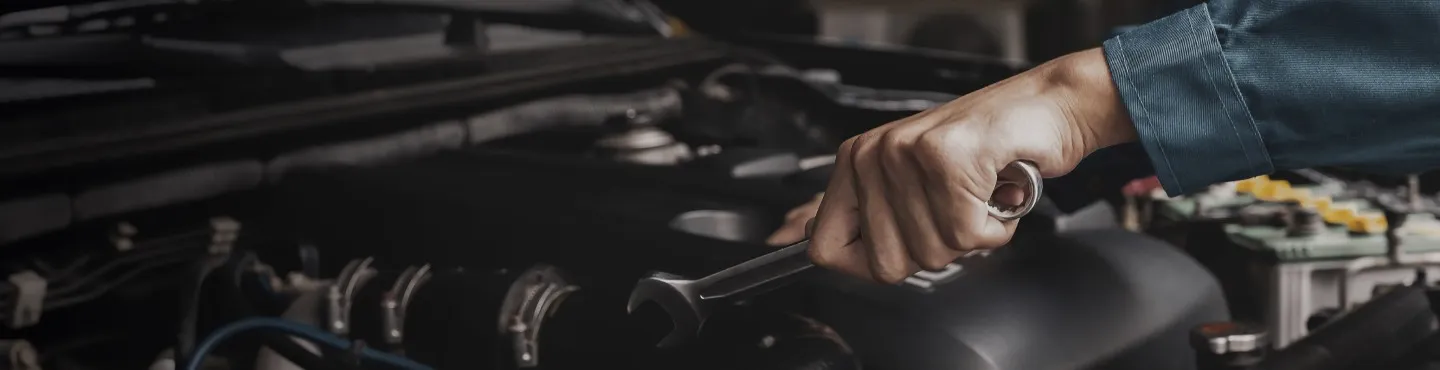
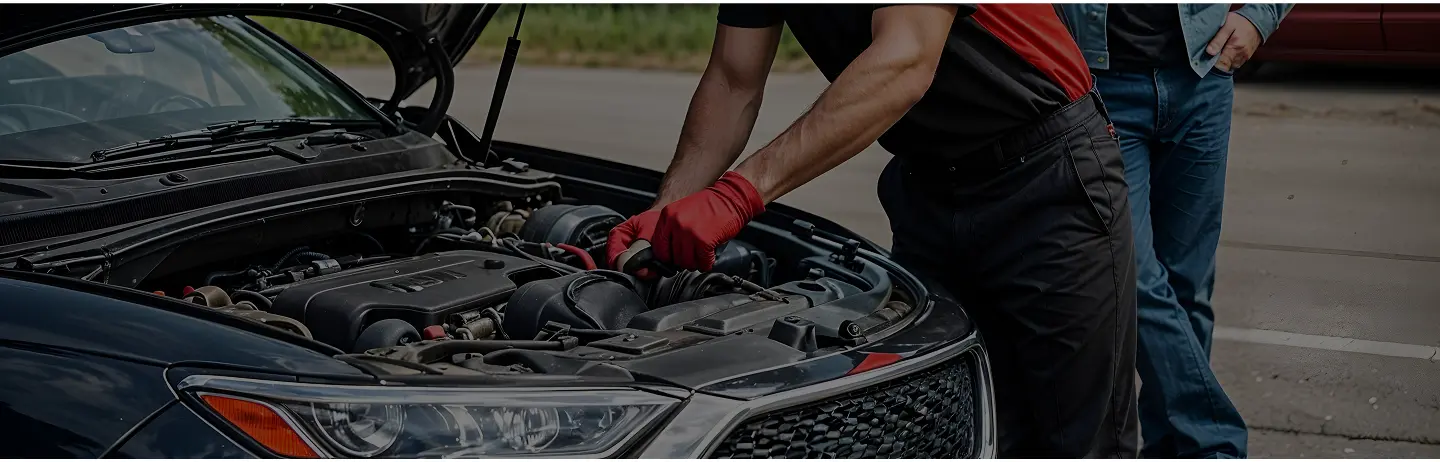
You’re driving normally… and suddenly the car starts shaking.
Maybe the steering wheel vibrates at highway speed. Maybe the whole car feels unstable while braking. Maybe the shaking gets worse while accelerating.
And honestly? This is one of those problems that immediately makes people nervous.
Because unlike a small noise or warning light, vibration is something you physically FEEL the entire time you’re driving.
At Instant Car Fix, we see this constantly. Some shaking problems turn out to be simple tire-balancing issues. Others end up being worn suspension parts, bad wheel bearings, damaged axles, or braking problems that can become dangerous quickly.
That’s why ignoring vibration is never a great idea.
This guide breaks down the most common reasons cars shake while driving, how mechanics actually diagnose vibration problems, what symptoms matter most, and when you should stop driving immediately.
Because honestly? The TYPE of shaking usually tells you a LOT about what’s actually wrong.
When customers say:
“My car is shaking”
…the first thing mechanics usually ask is:
“WHEN does it shake?”
That matters A LOT.
A vibration at highway speed points toward very different problems than shaking during braking or acceleration.
The timing of the vibration is one of the biggest clues during diagnosis.
If the vibration gets worse around:
♦ 55–80 MPH
♦ highway driving
♦ or faster acceleration
…the problem is often related to tire balance, bent wheels, uneven tires, alignment issues, or suspension wear.
This is one of the most common vibration complaints we hear.
If the shaking mainly happens while braking, especially through the steering wheel, the most common cause is warped brake rotors.
The vibration usually becomes strongest during moderate braking, downhill braking, or high-speed stops.
A lot of drivers describe it as:
“The steering wheel shakes every time I brake.”
That’s a huge clue.
If you’re also hearing squeaking or grinding noises, it may help to read our guide on why your brakes are squeaking.
This often points toward:
♦ CV axle problems
♦ drivetrain issues
♦ engine mounts
♦ or transmission-related problems.
Sometimes the shaking disappears completely once you let off the gas.
That symptom pattern matters a lot.
If the car vibrates while sitting still, the issue may involve:
♦ worn motor mounts
♦ vacuum leaks
♦ fuel problems
♦ or ignition issues.
A rough idle feels very different from a wheel-related vibration.
If the vehicle struggles to start as well, you may also want to read our guide on engine cranks but won’t start
This is one of the MOST common causes of shaking while driving.
Tires must be balanced evenly so they spin smoothly at high speeds.
If balance weights fall off or tire wear becomes uneven, vibration begins.
The faster you drive, the worse it usually feels.
Common symptoms include steering-wheel vibration, shaking above 60 MPH, uneven tire wear, and smooth driving at low speeds but vibration on highways.
And honestly? We see this constantly after pothole impacts.
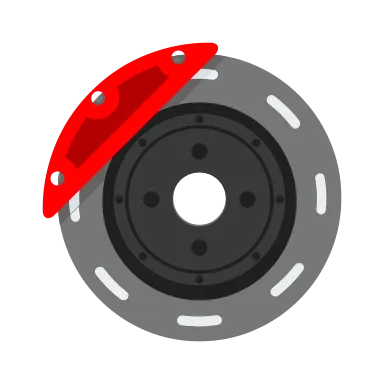
Brake rotors can develop uneven surfaces over time from heat and wear.
When that happens, the brake pads no longer press evenly against the rotor surface.
That creates shaking while braking.
Common signs include steering-wheel shaking during braking, brake-pedal pulsation, vibration during downhill braking, and uneven stopping feel.
This is especially common after aggressive braking or overheating.
Wheel bearings allow the wheels to spin smoothly.
When they begin failing, they often create humming noises, vibration, loose wheel feel, or unstable handling.
A bad wheel bearing can become dangerous if ignored too long.
Sometimes the vibration gets louder while turning. That’s a common clue mechanics look for.
Potholes destroy wheels constantly.
A bent wheel may not always look obvious visually, but it can create shaking, wobbling, vibration at highway speed, or steering instability.
Low-profile tires make this even more common because there’s less rubber protecting the wheel.
Sometimes the tire itself becomes damaged internally.
This can happen from potholes, impact damage, worn suspension, poor alignment, or manufacturing defects.
A separated tire can create severe shaking surprisingly fast.
Common clues include uneven tread wear, tire bubbles, vibration increasing with speed, wobbling sensation, or rhythmic shaking.
And honestly? Damaged tires should never be ignored.
CV axles transfer power from the transmission to the wheels.
When they wear out, vibration during acceleration becomes very common.
You may notice:
♦ shaking while accelerating
♦ clicking noises during turns
♦ grease near the axle boots
♦ vibration under load.
This is especially common on higher-mileage front-wheel-drive vehicles.
Worn suspension parts create all kinds of vibration and instability.
Common worn components include ball joints, tie rods, control arms, bushings, and sway-bar links.
As suspension wear increases, the vehicle often feels loose, unstable, shaky, or unpredictable at higher speeds.
Poor alignment causes uneven tire wear and unstable handling.
Sometimes drivers notice steering pulling, a crooked steering wheel, vibration, or uneven tire wear patterns.
Alignment problems usually worsen slowly over time.
Not all shaking comes from the wheels.
Sometimes the engine itself runs rough enough to create vibration throughout the entire vehicle.
Misfires can happen because of bad spark plugs, ignition coils, fuel problems, vacuum leaks, or sensor failures.
Common symptoms include rough idle, hesitation, a flashing check-engine light, shaking during acceleration, or reduced power.
If you’re also noticing electrical problems or weak starting, it may help to read our guide on why your car battery keeps dying.
If the vehicle struggles to crank or randomly refuses to start afterward, you may also want to read:
Motor mounts hold the engine securely in place.
When they wear out, engine vibration transfers directly into the vehicle cabin.
Bad motor mounts commonly cause vibration at idle, clunking during acceleration, excessive engine movement, or shaking while stopped.
This problem is usually more noticeable while sitting in gear at stoplights.
On rear-wheel-drive and AWD vehicles, a damaged driveshaft can create serious vibration.
Common symptoms include floorboard vibration, clunking noises, highway-speed shaking, or vibration under acceleration.
Driveshaft issues should be diagnosed quickly because they can become dangerous if ignored.
This one sounds simple… but it happens more often than people realize.
Loose lug nuts can create wobbling, shaking, steering vibration, and dangerous wheel movement.
After recent tire service, this should ALWAYS be checked immediately.
Some shaking problems are minor.
Others are absolutely NOT.
Stop driving immediately if you notice:
♦ violent shaking
♦ steering instability
♦ loud grinding noises
♦ wheel wobbling
♦ burning smells
♦ severe braking vibration
♦ or loss of control.
Those symptoms can indicate serious safety problems.
A customer called us after noticing steering-wheel vibration around 70 MPH.
At first he assumed:
“Maybe the road is rough.”
Turns out one tire had severe internal separation from pothole damage.
Another few days of driving could’ve caused a blowout.
One customer with a Honda Accord noticed shaking every time she braked on the highway.
The issue?
Severely warped front brake rotors.
The vibration became so normal over time that she almost ignored it completely.
A Silverado owner complained about vibration during acceleration while towing.
The actual problem turned out to be a failing CV axle combined with worn suspension components.
Once both issues were repaired, the vibration disappeared completely.
Proper diagnosis matters because MANY different problems can feel similar from the driver’s seat.
Mechanics usually inspect:
♦ tires
♦ wheel balance
♦ brake rotors
♦ suspension components
♦ wheel bearings
♦ axles
♦ alignment
♦ and engine performance.
Road testing is extremely important because vibration behavior changes depending on speed, braking, acceleration, and steering input.
And honestly? Guessing usually gets expensive fast.
Repair costs depend entirely on the root cause.
Simple fixes like tire balancing, wheel alignment, or replacing worn tires are usually much cheaper.
But repairs involving suspension, wheel bearings, CV axles, or drivetrain components can become more expensive.
The good news is:
catching vibration problems early usually prevents additional damage later.
A little preventative maintenance goes a long way.
Regular tire rotations, proper wheel balancing, alignment checks, suspension inspections, and avoiding potholes whenever possible all help reduce vibration issues over time.
And honestly? Most severe vibration problems start small before becoming obvious.
That’s why early diagnosis matters.
If your vehicle also develops overheating problems or warning lights while driving, you may want to check out our guide on car overheating causes and symptoms.
At Instant Car Fix, our mobile mechanics diagnose:
♦ steering-wheel vibration
♦ braking vibration
♦ suspension issues
♦ wheel-bearing problems
♦ axle failures
♦ tire damage
♦ alignment concerns
♦ and drivetrain vibration
directly at your location.
No towing. No waiting rooms. No guessing.
We bring professional diagnostics directly to you.
Vehicle vibration is one of those problems that people often ignore at first… until it suddenly gets MUCH worse.
The important thing is paying attention to:
♦ when the shaking happens
♦ how severe it feels
♦ whether it changes with speed
♦ and whether braking or acceleration affects it.
Because honestly? The timing of the vibration usually tells mechanics a LOT about the actual problem.
At Instant Car Fix, we diagnose shaking, vibration, suspension, braking, and drivetrain problems directly at your location so you can avoid unsafe driving conditions, unnecessary repairs, and expensive guesswork later on.


This usually points toward tire-balance problems, uneven tire wear, bent wheels, or alignment issues. The faster you drive, the more noticeable the vibration often becomes.
The most common cause is warped brake rotors. Uneven rotor surfaces create vibration when the brake pads press against them during braking.
Absolutely. Uneven wear, internal tire separation, impact damage, or bubbles inside the tire can all create serious vibration problems.
This often points toward CV axle problems, drivetrain issues, worn motor mounts, or suspension wear. Acceleration-related vibration is usually different from tire-balance vibration.
Sometimes yes. Severe vibration, steering instability, wheel wobbling, or braking vibration can become dangerous quickly if ignored.
Yes. Failing wheel bearings often create humming noises, vibration, unstable handling, or shaking that changes while turning.
Vibration at idle often points toward engine misfires, bad motor mounts, fuel issues, ignition problems, or vacuum leaks.
Definitely. Potholes commonly damage tires, bend wheels, affect alignment, and accelerate suspension wear — all of which can create vibration problems later.
Our mobile mechanics diagnose vibration problems, suspension issues, tire damage, brake problems, wheel-bearing failures, and drivetrain vibration directly at your location before small problems become dangerous repairs.

Got his work done quickly and efficiently even though we had some hiccups he stuck through it till the end. Great mechanic great man.


Great service! I would definitely use them again if I ever find I need a dead battery replaced with no way to get to a shop except having it towed in. Love that they come directly to your house!

Came out snd fixed my parents car today. Very nice young man my dad said. He did a good job. Thank you.

The experience is well received mechanic was on time and waited for me and stayed until the fljob is completer

Great service, everything was fine, they were nice and polite, will be using them for all my car needs

The mechanics were out promptly and completed the service efficiently! The entire experience was easy to manage.

Reggie was outstanding, quick, and personable. I’ll be sure to Instantaneous Car Fix the next time I’m stuck on the road.

Sergio was fantastic! He was very informative and explained everything to us during the diagnostic. Thank you, Sergio!

Excelent he was very professional and polite my car was running again within 10 minutes after he arrives

Got his work done quickly and efficiently even though we had some hiccups he stuck through it till the end. Great mechanic great man.
Great service! I would definitely use them again if I ever find I need a dead battery replaced with no way to get to a shop except having it towed in. Love that they come directly to your house!
Came out snd fixed my parents car today. Very nice young man my dad said. He did a good job. Thank you.
The experience is well received mechanic was on time and waited for me and stayed until the fljob is completer
Great service, everything was fine, they were nice and polite, will be using them for all my car needs
The mechanics were out promptly and completed the service efficiently! The entire experience was easy to manage.
Reggie was outstanding, quick, and personable. I’ll be sure to Instantaneous Car Fix the next time I’m stuck on the road.
Sergio was fantastic! He was very informative and explained everything to us during the diagnostic. Thank you, Sergio!
Excelent he was very professional and polite my car was running again within 10 minutes after he arrives