Financing all Credit Types - 
Financing all Credit Types -
Financing all Credit Types -
Financing all Credit Types -
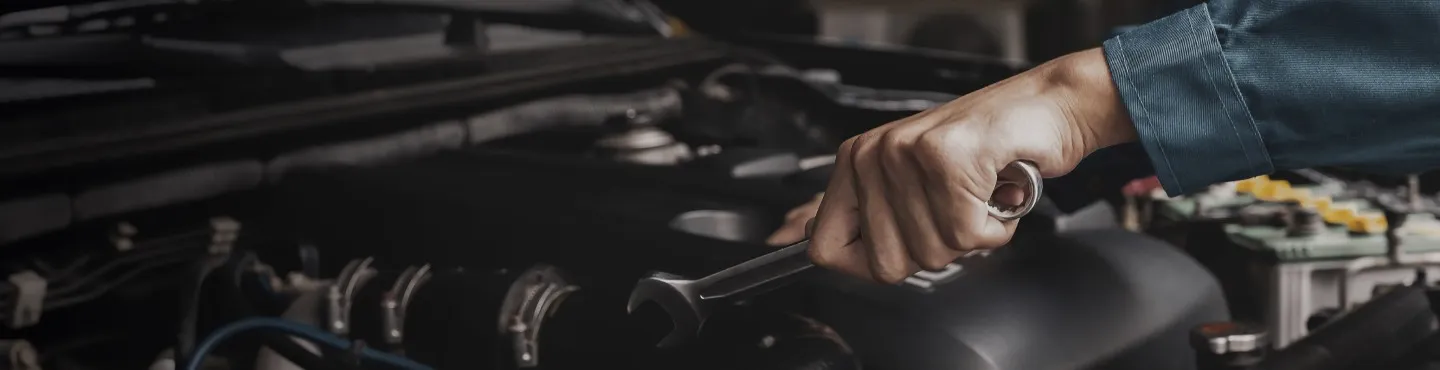
The washer fluid reservoir is the plastic tank that stores windshield washer fluid and feeds it through the washer pump and hoses to your windshield. It may seem minor, but when it fails, you lose clear visibility, especially during rain, snow, salt buildup, or highway driving.
Most drivers don’t realize there’s a problem until:
Washer fluid drains instantly
Nothing sprays when the button is pressed
Fluid freezes or leaks under the car
A cracked or leaking washer fluid reservoir should be addressed quickly to avoid visibility and safety issues.
The average washer fluid reservoir replacement cost ranges between:
$100 – $250 total
Reservoir part: $50 – $120
Labor: $50 – $150
Costs vary depending on:
Vehicle make and model
Reservoir location (engine bay vs wheel well)
Whether the washer pump or hoses are also damaged
💡 Mobile mechanic services like Instant Car Fix often cost less than dealerships, without towing or waiting rooms.
You may need washer fluid reservoir leak repair or replacement if you notice:
Washer fluid puddles under the car
Reservoir won’t hold fluid
Washer pump runs but nothing sprays
Low washer fluid warning keeps returning
Visible cracks in the washer fluid tank
Fluid leaking behind the front wheel (common on many cars)
Ignoring these signs can leave you without windshield cleaning when you need it most.
Technically yes but it’s not recommended.
A leaking windshield washer reservoir means:
You’ll run out of fluid quickly
Visibility can become dangerous in bad weather
Road salt and debris can damage your windshield
For safety and convenience, it’s best to schedule mobile washer fluid reservoir replacement before it becomes a bigger issue.
In some vehicles, DIY washer fluid reservoir replacement is possible, but difficulty varies.
DIY challenges may include:
Removing the wheel and wheel-well liner
Detaching bumper trim or splash shields
Reinstalling the washer pump and sensors correctly
If installed incorrectly, leaks and pump failure can occur. Many drivers choose a certified mobile mechanic to avoid rework and wasted time.
The most common causes include:
Plastic cracking from age or vibration
Freezing washer fluid in cold weather
Road debris impact near wheel wells
Improper jack placement damaging the tank
Old hoses or loose connections
Using winter windshield washer fluid and checking the system regularly helps prevent failure.
Can you add rubbing alcohol?
Yes - small amounts can lower freezing temperature, but pre-mixed winter washer fluid is safer.
What’s in winter washer fluid?
Methanol or ethylene glycol
Cleaning detergents
Anti-freeze agents
Does WD-40 prevent ice?
WD-40 may prevent ice temporarily but leaves residue and is not recommended for windshields.
Reservoir: Stores washer fluid
Washer pump: Pushes fluid to the nozzles
Leaks often originate from the reservoir, but sometimes the pump grommet or hoses are the real issue. A proper diagnosis ensures you only replace what’s necessary.
Instant Car Fix provides on-site washer fluid reservoir repair and replacement, saving you time and hassle.
Why drivers choose Instant Car Fix:
Mobile service at home or work
Certified, vetted mechanics
Upfront pricing - no surprises
Same-day or next-day availability
Full windshield washer system inspection
Whether it’s a cracked reservoir, leaking hose, or failing washer pump, we fix it correctly — without dealership delays.
How do I know if my washer fluid reservoir is cracked?
If fluid drains immediately after filling or you see leaks under the car, the reservoir is likely cracked.
Can I use water instead of washer fluid?
Only in emergencies. Water freezes easily and lacks cleaning agents.
How long does washer fluid reservoir replacement take?
Typically 30–90 minutes, depending on vehicle design.
Does a leaking washer reservoir affect engine performance?
No, but it compromises windshield visibility and driving safety.
Should I replace the washer pump at the same time?
Only if it’s leaking, weak, or damaged - a proper diagnosis prevents unnecessary costs.
Get a real Washer Fluid Resorvior service from a mobile mechanic near you, no workshop visit needed.
No commitment • See pricing instantly

From start to finish the whole process was smooth and easy. The website was easy to navigate and when I called for additional assistance I was helped immediately and there was no pushing me to purchase additional services. The mechanics arrived on time, asked good questions, and worked quickly. Very polite and helpful. I was glad I chose this company.


Excellent service. Mechanic had my car up and running in under 15 minutes. Convient home service. Will use this service again.

Had Caleb do a pre-purchase inspection on a Jeep I was buying from Missouri, and the guy was great. Really thorough — found stuff I would’ve missed, told me straight what was worth fixing and what wasn’t. No runaround, answered all my questions fast. If you’re buying a used rig, don’t skip this step. I highly recommend.

Instant Car fix saved the day, the tech was knowledgeable and efficient and knew exactly what was needed. Definitely recommend for my BMW F32.

Awesome and quick service. Very professional and great work. He even let me know what else needs to be done to the wheel hub and gave me an estimate on parts and time for labor! Most definitely would recommend!!!

Prompt service, very helpful in diagnosing whether I had the right parts. Have great advice on when to change the parts again. Would recommend to anyone who needs mechanic support

⭐⭐⭐⭐⭐ 5-Star Review! Outstanding service from start to finish! The mechanic was extremely professional, knowledgeable, courteous, and thorough. He took his time examining my vehicle, demonstrated a strong understanding of his work, and made the entire experience comfortable and stress-free. It's refreshing to encounter someone who takes pride in their profession and genuinely values customer service. His professionalism, attention to detail, and positive attitude really stood out. I highly recommend his services to anyone looking for a dependable, skilled, and trustworthy mechanic. Excellent customer service and an overall five-star experience!

Seriously, you should give this man a raise. I know of NO ONE who could do all of this and much more. My trunk is cleaner in addition to my car being saved from destruction.

I needed a vehicle inspection done for a truck I could be there to see for myself. A thorough inspection was done, the mechanic called and talked to after and a report was sent afterward. I would use this company again.

From start to finish the whole process was smooth and easy. The website was easy to navigate and when I called for additional assistance I was helped immediately and there was no pushing me to purchase additional services. The mechanics arrived on time, asked good questions, and worked quickly. Very polite and helpful. I was glad I chose this company.
Excellent service. Mechanic had my car up and running in under 15 minutes. Convient home service. Will use this service again.
Had Caleb do a pre-purchase inspection on a Jeep I was buying from Missouri, and the guy was great. Really thorough — found stuff I would’ve missed, told me straight what was worth fixing and what wasn’t. No runaround, answered all my questions fast. If you’re buying a used rig, don’t skip this step. I highly recommend.
Instant Car fix saved the day, the tech was knowledgeable and efficient and knew exactly what was needed. Definitely recommend for my BMW F32.
Awesome and quick service. Very professional and great work. He even let me know what else needs to be done to the wheel hub and gave me an estimate on parts and time for labor! Most definitely would recommend!!!
Prompt service, very helpful in diagnosing whether I had the right parts. Have great advice on when to change the parts again. Would recommend to anyone who needs mechanic support
⭐⭐⭐⭐⭐ 5-Star Review! Outstanding service from start to finish! The mechanic was extremely professional, knowledgeable, courteous, and thorough. He took his time examining my vehicle, demonstrated a strong understanding of his work, and made the entire experience comfortable and stress-free. It's refreshing to encounter someone who takes pride in their profession and genuinely values customer service. His professionalism, attention to detail, and positive attitude really stood out. I highly recommend his services to anyone looking for a dependable, skilled, and trustworthy mechanic. Excellent customer service and an overall five-star experience!
Seriously, you should give this man a raise. I know of NO ONE who could do all of this and much more. My trunk is cleaner in addition to my car being saved from destruction.
I needed a vehicle inspection done for a truck I could be there to see for myself. A thorough inspection was done, the mechanic called and talked to after and a report was sent afterward. I would use this company again.