Financing all Credit Types - 
Financing all Credit Types -
Financing all Credit Types -
Financing all Credit Types -
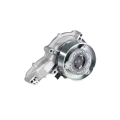
The power steering pump is one of the most important components of your vehicle’s steering system. By circulating hydraulic fluid through the steering gear, it allows you to turn the steering wheel effortlessly, even at low speeds. Without a functioning pump, steering becomes stiff, handling suffers, and safety is compromised.
A failing pump can also lead to engine stress, leaks, and increased wear on other steering components. Knowing the signs of a failing power steering pump and addressing issues early can save you hundreds or even thousands in repair costs.
Your power steering system relies on hydraulic pressure created by the pump. When you turn the wheel, the pump sends pressurized fluid to assist the steering gear. The pump is driven by the engine, usually via a belt connected to the crankshaft.
Common issues arise when the pump wears out, fluid becomes contaminated, or hoses and seals leak. If neglected, you may experience:
Stiff or unresponsive steering
Fluid leaks under the car
Noise like whining, groaning, or squealing
Excessive effort to maneuver at low speeds
Recognizing the symptoms early can prevent a total system failure. Here’s what to watch for:
Whining or Groaning Noises: Often occurs when the engine is cold or during turns.
Stiff Steering: Steering requires more effort than usual, especially at low speeds.
Fluid Leaks: Puddles of reddish or amber fluid under the car indicate pump or hose issues.
Low Fluid Levels: Constantly topping off fluid can point to a leak.
Vibrations or Shaking: The steering wheel may vibrate when turning.
Burning Smell: Overheated fluid or leaking fluid dripping onto hot components.
Case Study 1: Sarah from Denver noticed a persistent whining noise when parking. Our mobile mechanic diagnosed a failing power steering pump and replaced it on-site within 2 hours. Her steering was restored immediately, and she avoided a costly tow or engine damage.
Replacement costs depend on your vehicle make and model, the type of pump (OEM vs. aftermarket), and labor.
Average Cost: $300–$800
Pump Price: $150–$400
Labor: $150–$400
Mobile services like Instant Car Fix often save additional costs because you avoid towing and shop overhead fees.
Case Study 2: Tom in Orlando avoided a $1,000 dealership bill by using our mobile pump replacement service. Total cost: $475, and he stayed home while we completed the repair.
Technically, yes, but it’s extremely dangerous. Driving with a failing pump can:
Increase steering effort, causing fatigue
Lead to complete steering loss in emergencies
Damage the pump or associated components further
Cause hydraulic fluid leaks that may damage belts or belts-driven components
Bottom line: If your steering feels stiff, unusual noises occur, or fluid is leaking, stop driving and have your system inspected immediately.
Visual Inspection: Look for leaks at hoses, pump body, and reservoir.
Check Fluid Level: Ensure it’s between minimum and maximum marks.
Listen: Whining or groaning noises indicate pump wear.
Test Steering Effort: Difficulty turning at low speeds signals a potential issue.
Professional Diagnostics: Mobile mechanics can check fluid pressure and pump output to confirm if replacement is necessary.
Several factors contribute to pump failure:
Low or Contaminated Fluid: Dirty or insufficient fluid strains the pump.
Wear and Tear: Pumps naturally wear over time, especially past 100,000 miles.
Overheating: Excessive heat can damage internal components.
Leaks: Hose or seal failures reduce fluid pressure, causing pump stress.
Lack of Maintenance: Skipping fluid changes accelerates failure.
Sudden fluid leak under the vehicle
Steering wheel becomes extremely stiff quickly
High-pitched whining or metal-on-metal noises
Fluid smells burnt or looks dark
Hypothetical Scenario: Imagine driving through downtown traffic when your pump suddenly fails. The wheel locks up slightly, you strain to turn, and fluid sprays onto engine components. Quick mobile repair could prevent towing and costly damage - exactly why Instant Car Fix comes to you.
While replacement should be handled by a professional, here’s what happens:
Drain old power steering fluid
Remove pump and associated hoses
Install new pump (or rebuilt OEM)
Reconnect hoses and belt
Refill with new fluid and bleed the system
Test for leaks and ensure proper steering operation
Time: 2–4 hours on average, depending on vehicle type.
Check fluid levels monthly
Inspect hoses and belts for cracks or leaks
Use manufacturer-recommended power steering fluid
Flush system every 50,000 miles to prevent sludge buildup
Listen for unusual noises during turns
Case Study 3: Jessica from Seattle followed our preventive maintenance advice and extended her pump’s life by over 50,000 miles. Regular checks prevented a sudden failure during a long road trip.
Persistent whining or groaning noises
Difficulty turning the steering wheel
Fluid leaks under your vehicle
Visible damage to hoses or pump
Benefits of Mobile Service:
Quick response at your location
Transparent pricing
No towing required
Immediate resolution by certified mechanics
Q: How long does a power steering pump last?
A: Typically 100,000–150,000 miles, depending on maintenance and driving conditions.
Q: Can I replace the pump myself?
A: Possible for experienced DIYers, but risky due to hydraulic fluid handling and belt tension.
Q: What happens if I ignore a failing pump?
A: Steering difficulty, fluid leaks, pump seizure, and potential accidents.
Q: Are aftermarket pumps safe?
A: Yes, if they meet OEM specifications. Some may have shorter lifespans.
Q: How much can I save using mobile repair?
A: Typically 20–40% compared to dealership service, plus convenience and time savings.
We specialize in on-site power steering pump replacement across the U.S.:
Certified Mechanics: Experts ensure safe, fast repair
Transparent Pricing: No hidden fees
Mobile Service: We come to your home, office, or roadside
Preventive Advice: Tips to extend pump life and avoid breakdowns
Get a real Power Steering Pump service from a mobile mechanic near you, no workshop visit needed.
No commitment • See pricing instantly

Excellent service. Mechanic had my car up and running in under 15 minutes. Convient home service. Will use this service again.


Prompt service, very helpful in diagnosing whether I had the right parts. Have great advice on when to change the parts again. Would recommend to anyone who needs mechanic support

I needed a vehicle inspection done for a truck I could be there to see for myself. A thorough inspection was done, the mechanic called and talked to after and a report was sent afterward. I would use this company again.

Had Caleb do a pre-purchase inspection on a Jeep I was buying from Missouri, and the guy was great. Really thorough — found stuff I would’ve missed, told me straight what was worth fixing and what wasn’t. No runaround, answered all my questions fast. If you’re buying a used rig, don’t skip this step. I highly recommend.

From start to finish the whole process was smooth and easy. The website was easy to navigate and when I called for additional assistance I was helped immediately and there was no pushing me to purchase additional services. The mechanics arrived on time, asked good questions, and worked quickly. Very polite and helpful. I was glad I chose this company.

Seriously, you should give this man a raise. I know of NO ONE who could do all of this and much more. My trunk is cleaner in addition to my car being saved from destruction.

Awesome and quick service. Very professional and great work. He even let me know what else needs to be done to the wheel hub and gave me an estimate on parts and time for labor! Most definitely would recommend!!!

Instant Car fix saved the day, the tech was knowledgeable and efficient and knew exactly what was needed. Definitely recommend for my BMW F32.

⭐⭐⭐⭐⭐ 5-Star Review! Outstanding service from start to finish! The mechanic was extremely professional, knowledgeable, courteous, and thorough. He took his time examining my vehicle, demonstrated a strong understanding of his work, and made the entire experience comfortable and stress-free. It's refreshing to encounter someone who takes pride in their profession and genuinely values customer service. His professionalism, attention to detail, and positive attitude really stood out. I highly recommend his services to anyone looking for a dependable, skilled, and trustworthy mechanic. Excellent customer service and an overall five-star experience!

Excellent service. Mechanic had my car up and running in under 15 minutes. Convient home service. Will use this service again.
Prompt service, very helpful in diagnosing whether I had the right parts. Have great advice on when to change the parts again. Would recommend to anyone who needs mechanic support
I needed a vehicle inspection done for a truck I could be there to see for myself. A thorough inspection was done, the mechanic called and talked to after and a report was sent afterward. I would use this company again.
Had Caleb do a pre-purchase inspection on a Jeep I was buying from Missouri, and the guy was great. Really thorough — found stuff I would’ve missed, told me straight what was worth fixing and what wasn’t. No runaround, answered all my questions fast. If you’re buying a used rig, don’t skip this step. I highly recommend.
From start to finish the whole process was smooth and easy. The website was easy to navigate and when I called for additional assistance I was helped immediately and there was no pushing me to purchase additional services. The mechanics arrived on time, asked good questions, and worked quickly. Very polite and helpful. I was glad I chose this company.
Seriously, you should give this man a raise. I know of NO ONE who could do all of this and much more. My trunk is cleaner in addition to my car being saved from destruction.
Awesome and quick service. Very professional and great work. He even let me know what else needs to be done to the wheel hub and gave me an estimate on parts and time for labor! Most definitely would recommend!!!
Instant Car fix saved the day, the tech was knowledgeable and efficient and knew exactly what was needed. Definitely recommend for my BMW F32.
⭐⭐⭐⭐⭐ 5-Star Review! Outstanding service from start to finish! The mechanic was extremely professional, knowledgeable, courteous, and thorough. He took his time examining my vehicle, demonstrated a strong understanding of his work, and made the entire experience comfortable and stress-free. It's refreshing to encounter someone who takes pride in their profession and genuinely values customer service. His professionalism, attention to detail, and positive attitude really stood out. I highly recommend his services to anyone looking for a dependable, skilled, and trustworthy mechanic. Excellent customer service and an overall five-star experience!