Financing all Credit Types - 
Financing all Credit Types -
Financing all Credit Types -
Financing all Credit Types -
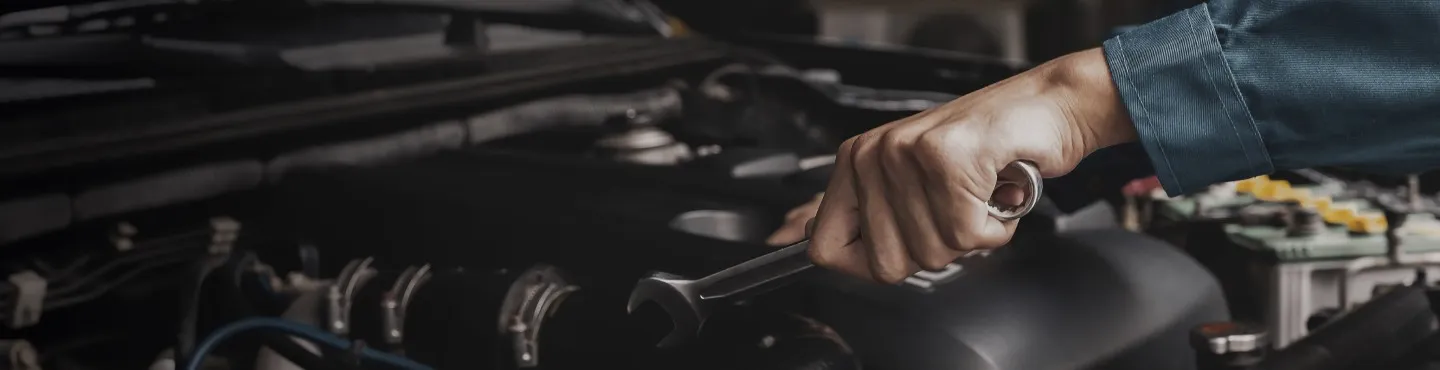
The PCV (Positive Crankcase Ventilation) valve is a small but vital part of your vehicle’s engine. Despite its size, it plays a big role in controlling emissions and maintaining engine health.
During normal engine operation, combustion gases (called blow-by gases) escape past the piston rings into the crankcase. These gases contain moisture, unburned fuel, and harmful hydrocarbons. If left unchecked, they can:
Increase pressure inside the crankcase, leading to oil leaks
Cause sludge buildup that damages engine components
Reduce fuel efficiency
The PCV valve redirects these gases from the crankcase back into the intake manifold, where they are burned again. This process helps your engine run cleanly, reduces emissions, and prevents costly damage.
A failing PCV valve can affect your engine in subtle and noticeable ways. Here are the most common symptoms:
Rough Idling or Stalling: A stuck-open valve can create a vacuum leak, causing the engine to idle roughly or stall.
Check Engine Light: The ECU may detect abnormal airflow or emissions, triggering a warning.
Increased Oil Consumption: Pressure buildup can force oil past seals and into the combustion chamber.
Sludge Buildup: Moisture and contaminants accumulate in the crankcase, forming thick sludge.
Poor Fuel Economy: Incorrect airflow can reduce engine efficiency.
Hissing or Sucking Sounds: A vacuum leak from the valve may create noticeable noises under the hood.
You should inspect your PCV valve regularly, especially if your vehicle is high mileage or exhibits any of the symptoms above. Signs that it may need replacement include:
Engine performance issues like rough idling or misfires
Oil leaks around the valve or in the engine bay
Visible clogging or dirt inside the valve
Unusual engine noises such as hissing or whistling
Checking your PCV valve yourself is simple and requires minimal tools:
Locate the Valve: Typically found on the valve cover or intake manifold.
Visual Inspection: Look for cracks, clogs, or oil buildup on the valve and hoses.
Shake Test: Remove the valve and shake it. A functional valve will rattle due to the internal spring.
Vacuum Test: You can also use a vacuum gauge to ensure the valve is opening and closing correctly.
In some cases, a PCV valve can be cleaned if it is slightly clogged with sludge or dirt. However:
Cleaning won’t fix mechanical issues such as a stuck spring or broken plunger
Replacement is usually more reliable and ensures long-term engine health
Tip: Most mechanics recommend replacing the PCV valve rather than cleaning it for older vehicles or high-mileage engines.
Replacing a PCV valve is relatively affordable:
DIY Replacement: $10–$50 for the part
Professional Replacement: $150–$250 including labor
It’s a quick repair that can save you from more expensive engine issues later.
Yes, for most vehicles, a PCV valve is a straightforward DIY task. Steps typically include:
Remove the hose connected to the PCV valve
Pull out the old valve
Install the new valve and reconnect the hose
Note: If your engine has multiple valves or complicated hose routing, a mechanic may be safer.
Installing a new PCV valve can improve engine performance by:
Restoring proper vacuum and airflow
Reducing sludge buildup and oil leaks
Stabilizing idle and improving fuel efficiency
While it won’t increase horsepower significantly, it helps your engine run cleaner, smoother, and more efficiently.
Most manufacturers recommend replacing a PCV valve every 30,000–60,000 miles. However, the actual lifespan can vary depending on:
Driving habits and conditions
Maintenance practices
Oil type and quality
Vehicle: 2012 Honda Accord
Issue: Thick sludge buildup discovered during an oil change
Diagnosis: Clogged PCV valve causing poor crankcase ventilation
Solution: Replaced the PCV valve and flushed the engine
Outcome: Engine ran cleaner, idle stabilized, and oil consumption decreased
Vehicle: 2015 Ford F-150
Issue: Rough idle and reduced fuel efficiency
Diagnosis: Stuck-open PCV valve creating a vacuum leak
Solution: PCV valve replaced
Outcome: Engine idled smoothly, fuel economy improved by 10%
1. What Happens if the PCV Valve Fails?
Increased engine pressure and oil leaks
Sludge buildup
Reduced fuel efficiency
Higher emissions
2. Can I Drive with a Bad PCV Valve?
Driving short distances may be okay, but prolonged use can damage the engine and increase repair costs.
3. How Much Does it Cost to Replace a PCV Valve?
DIY: $10–$50 | Professional: $150–$250 including labor
4. Can I Clean a PCV Valve Instead of Replacing It?
Cleaning works for minor clogs, but replacement is more reliable for long-term performance.
5. How Do I Know if My PCV Valve is Clogged?
Look for oil leaks, engine sludge, poor idling, and decreased fuel efficiency.
6. Can You Replace a PCV Valve Yourself?
Yes, most vehicles allow DIY replacement with basic tools and 30 minutes of work.
7. Will a New PCV Valve Improve Performance?
Yes. It restores proper airflow, stabilizes idle, reduces oil leaks, and improves efficiency.
8. How Often Should a PCV Valve Be Replaced?
Every 30,000–60,000 miles or during routine maintenance inspections.
9. Does Every Car Have a PCV Valve?
Most modern vehicles do, though some newer engines use alternative systems.
10. How Do I Check a PCV Valve Manually?
Visual inspection, shake test, and vacuum test are simple ways to check function.
The PCV valve may be small, but it plays a major role in engine health, fuel efficiency, and emissions control. Regular inspections, timely replacements, and understanding its function can prevent costly repairs and keep your vehicle running smoothly.
Don’t wait for symptoms like rough idling, oil leaks, or check engine lights to address PCV issues - treat your engine with care and maintain it proactively.
Get a real PCV Valve service from a mobile mechanic near you, no workshop visit needed.
No commitment • See pricing instantly

Excellent service. Mechanic had my car up and running in under 15 minutes. Convient home service. Will use this service again.


Seriously, you should give this man a raise. I know of NO ONE who could do all of this and much more. My trunk is cleaner in addition to my car being saved from destruction.

Prompt service, very helpful in diagnosing whether I had the right parts. Have great advice on when to change the parts again. Would recommend to anyone who needs mechanic support

Had Caleb do a pre-purchase inspection on a Jeep I was buying from Missouri, and the guy was great. Really thorough — found stuff I would’ve missed, told me straight what was worth fixing and what wasn’t. No runaround, answered all my questions fast. If you’re buying a used rig, don’t skip this step. I highly recommend.

From start to finish the whole process was smooth and easy. The website was easy to navigate and when I called for additional assistance I was helped immediately and there was no pushing me to purchase additional services. The mechanics arrived on time, asked good questions, and worked quickly. Very polite and helpful. I was glad I chose this company.

I needed a vehicle inspection done for a truck I could be there to see for myself. A thorough inspection was done, the mechanic called and talked to after and a report was sent afterward. I would use this company again.

Instant Car fix saved the day, the tech was knowledgeable and efficient and knew exactly what was needed. Definitely recommend for my BMW F32.

Awesome and quick service. Very professional and great work. He even let me know what else needs to be done to the wheel hub and gave me an estimate on parts and time for labor! Most definitely would recommend!!!

⭐⭐⭐⭐⭐ 5-Star Review! Outstanding service from start to finish! The mechanic was extremely professional, knowledgeable, courteous, and thorough. He took his time examining my vehicle, demonstrated a strong understanding of his work, and made the entire experience comfortable and stress-free. It's refreshing to encounter someone who takes pride in their profession and genuinely values customer service. His professionalism, attention to detail, and positive attitude really stood out. I highly recommend his services to anyone looking for a dependable, skilled, and trustworthy mechanic. Excellent customer service and an overall five-star experience!

Excellent service. Mechanic had my car up and running in under 15 minutes. Convient home service. Will use this service again.
Seriously, you should give this man a raise. I know of NO ONE who could do all of this and much more. My trunk is cleaner in addition to my car being saved from destruction.
Prompt service, very helpful in diagnosing whether I had the right parts. Have great advice on when to change the parts again. Would recommend to anyone who needs mechanic support
Had Caleb do a pre-purchase inspection on a Jeep I was buying from Missouri, and the guy was great. Really thorough — found stuff I would’ve missed, told me straight what was worth fixing and what wasn’t. No runaround, answered all my questions fast. If you’re buying a used rig, don’t skip this step. I highly recommend.
From start to finish the whole process was smooth and easy. The website was easy to navigate and when I called for additional assistance I was helped immediately and there was no pushing me to purchase additional services. The mechanics arrived on time, asked good questions, and worked quickly. Very polite and helpful. I was glad I chose this company.
I needed a vehicle inspection done for a truck I could be there to see for myself. A thorough inspection was done, the mechanic called and talked to after and a report was sent afterward. I would use this company again.
Instant Car fix saved the day, the tech was knowledgeable and efficient and knew exactly what was needed. Definitely recommend for my BMW F32.
Awesome and quick service. Very professional and great work. He even let me know what else needs to be done to the wheel hub and gave me an estimate on parts and time for labor! Most definitely would recommend!!!
⭐⭐⭐⭐⭐ 5-Star Review! Outstanding service from start to finish! The mechanic was extremely professional, knowledgeable, courteous, and thorough. He took his time examining my vehicle, demonstrated a strong understanding of his work, and made the entire experience comfortable and stress-free. It's refreshing to encounter someone who takes pride in their profession and genuinely values customer service. His professionalism, attention to detail, and positive attitude really stood out. I highly recommend his services to anyone looking for a dependable, skilled, and trustworthy mechanic. Excellent customer service and an overall five-star experience!