Financing all Credit Types - 
Financing all Credit Types -
Financing all Credit Types -
Financing all Credit Types -
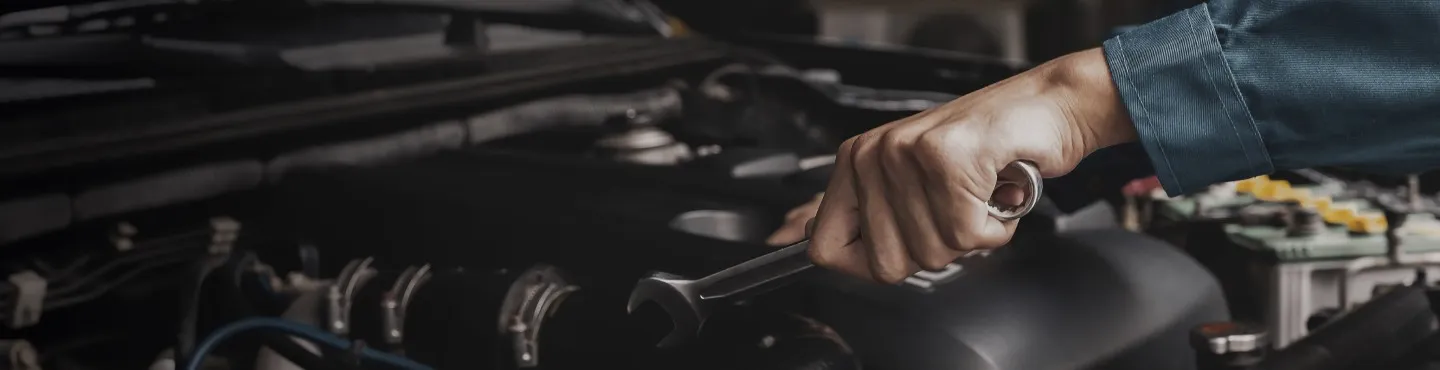
The drive belt tensioner is a critical component in your vehicle’s engine system. It keeps your drive belt (or serpentine belt) at the proper tension so it can operate smoothly, powering key components like the alternator, power steering pump, water pump, and air conditioning compressor.
A failing tensioner can lead to belt slippage, strange noises, or even total system failure. Left unchecked, this can result in a dead battery, overheating engine, or loss of power steering leaving you stranded and facing expensive repairs.
In this guide, you’ll find: costs, symptoms, replacement options, FAQs, and case studies from real customers who used Instant Car Fix mobile mechanics across the U.S. to get their tensioners fixed quickly, safely, and efficiently.
Recognizing tensioner problems early can prevent major engine damage. Common signs include:
Squealing or chirping noises from the engine
Visible belt wear or cracks
Belt misalignment or slippage
Loss of power to accessories (like power steering or A/C)
Engine overheating
Pulley wobbling or vibrating
Driving with a faulty tensioner is risky - it’s best to have it inspected immediately.
Replacing a belt tensioner generally costs $150–$400, including parts and labor. Costs vary depending on your vehicle’s make and model and the mechanic’s location. Mobile services like Instant Car Fix often save you money and time compared to traditional repair shops.
On average, replacement takes 30 minutes to 1.5 hours, depending on vehicle design and belt configuration. Mobile mechanics arrive fully equipped to complete the job on-site, eliminating wait times and tow fees.
Belt Tensioner: Maintains proper belt tension with a spring-loaded mechanism.
Idler Pulley: Guides the belt and ensures proper alignment; it doesn’t adjust tension.
Replacing either incorrectly can affect engine performance and belt life, so professional diagnosis is recommended.
Technically, yes - but it’s extremely dangerous. A slipping belt can stop powering your alternator or water pump, leading to:
Battery drain
Engine overheating
Loss of power steering or brakes
A stranded vehicle on the side of the road
Don’t spray WD-40 on the tensioner: This can cause the belt to slip.
Don’t improvise with wrong tools: Always use the correct serpentine belt tool to avoid damaging pulleys or bolts.
Regular inspection: Check the belt and tensioner every 30,000 miles to avoid sudden failures.
Case Study 1: Sarah, Denver, CO
Sarah noticed squealing noises and a loose serpentine belt. Our mobile mechanic replaced her belt tensioner on-site in 45 minutes. Her engine performance returned to normal, and she avoided a potential breakdown.
Case Study 2: Luis, Miami, FL
Luis experienced loss of power steering and overheating. Our Instant Car Fix team arrived at his home, diagnosed a worn tensioner, and replaced it the same day. He was back on the road safely, saving time and tow fees.
Case Study 3: Jessica, Chicago, IL
Jessica’s car failed an inspection due to a misaligned belt. Our mobile mechanic corrected the tensioner issue and replaced the belt in under an hour, helping her pass emissions and safety checks without visiting a shop.
Q. How do I know if my tensioner is failing?
A: Listen for squealing noises, check for belt wear, misalignment, or engine overheating.
Q: Can I replace a belt tensioner myself?
A: It’s a moderate-level task. You need mechanical skills, proper tools, and correct torque settings. For most drivers, a professional mobile mechanic is safer.
Q: How often should a tensioner be inspected?
A: Inspect every 30,000–50,000 miles or when changing belts.
Q: What’s the difference between OEM and aftermarket tensioners?
A: OEM tensioners match the vehicle manufacturer’s standards, while aftermarket parts may be cheaper but vary in quality.
Q: Does insurance cover a tensioner replacement?
A: Typically, no - it’s considered routine maintenance.
Certified Mechanics: Expert mobile repairs on-site.
Nationwide Service: Anywhere in the U.S., we come to you.
Transparent Pricing: Know the cost upfront; no hidden fees.
Time-Saving & Convenient: Repairs done at home or work.
Comprehensive Support: Diagnostics, tensioner replacement, belt installation, and preventive tips.
Conclusion: Don’t Ignore a Bad Drive Belt Tensioner
A failing drive belt tensioner can cause severe engine damage, loss of power steering, and overheating. Timely replacement with Instant Car Fix mobile mechanics keeps your vehicle safe, reliable, and running smoothly - all without leaving your home.
Ready to fix your drive belt tensioner? Schedule a mobile repair with Instant Car Fix today and avoid breakdowns tomorrow!
Get a real Drive Belt Tensioner service from a mobile mechanic near you, no workshop visit needed.
No commitment • See pricing instantly

From start to finish the whole process was smooth and easy. The website was easy to navigate and when I called for additional assistance I was helped immediately and there was no pushing me to purchase additional services. The mechanics arrived on time, asked good questions, and worked quickly. Very polite and helpful. I was glad I chose this company.


Adam was great! I was skeptical at first, but glad I booked. 10/10 definitely will book again when I need services done on my vehicle.

Needed a car battery changed. Set up the appointment and they had someone out the very next day. The mechanic did a great job making it happen. Very much appreciated.

Had a leaky fuel rail, tech came out same day and fixed it asap, very professional and very easy to get work done.

Prompt service, very helpful in diagnosing whether I had the right parts. Have great advice on when to change the parts again. Would recommend to anyone who needs mechanic support

They were prompt in getting a mechanic to us. Clark’s Mobile Repair showed up. Immediately fixed the problem. He was very professional

Very skilled and prompt on site and the truck starts up fine with new starter- highly recommend him for future repairs

The mechanic was very pleasant, got to work immediately, knew what he was doing and completed the battery replacement quickly. I was impressed.

Instant Car fix saved the day, the tech was knowledgeable and efficient and knew exactly what was needed. Definitely recommend for my BMW F32.

From start to finish the whole process was smooth and easy. The website was easy to navigate and when I called for additional assistance I was helped immediately and there was no pushing me to purchase additional services. The mechanics arrived on time, asked good questions, and worked quickly. Very polite and helpful. I was glad I chose this company.
Adam was great! I was skeptical at first, but glad I booked. 10/10 definitely will book again when I need services done on my vehicle.
Needed a car battery changed. Set up the appointment and they had someone out the very next day. The mechanic did a great job making it happen. Very much appreciated.
Had a leaky fuel rail, tech came out same day and fixed it asap, very professional and very easy to get work done.
Prompt service, very helpful in diagnosing whether I had the right parts. Have great advice on when to change the parts again. Would recommend to anyone who needs mechanic support
They were prompt in getting a mechanic to us. Clark’s Mobile Repair showed up. Immediately fixed the problem. He was very professional
Very skilled and prompt on site and the truck starts up fine with new starter- highly recommend him for future repairs
The mechanic was very pleasant, got to work immediately, knew what he was doing and completed the battery replacement quickly. I was impressed.
Instant Car fix saved the day, the tech was knowledgeable and efficient and knew exactly what was needed. Definitely recommend for my BMW F32.